Review · Action · PC · Xbox One
Princess.Loot.Pixel.Again
By the LumiKin editors
Reviewed: 18 May 2026
PC · Xbox One
EfimovMax · 2016
LumiScore
71/100
Recommended
Growth (BDS)
57
Risk (RIS)
6
Daily limit
120min
Age guidance
—
Developmental benefits
| B1 | Cognitive | 0.82 | |
| B2 | Social-emotional | 0.03 | |
| B3 | Motor | 0.75 | |
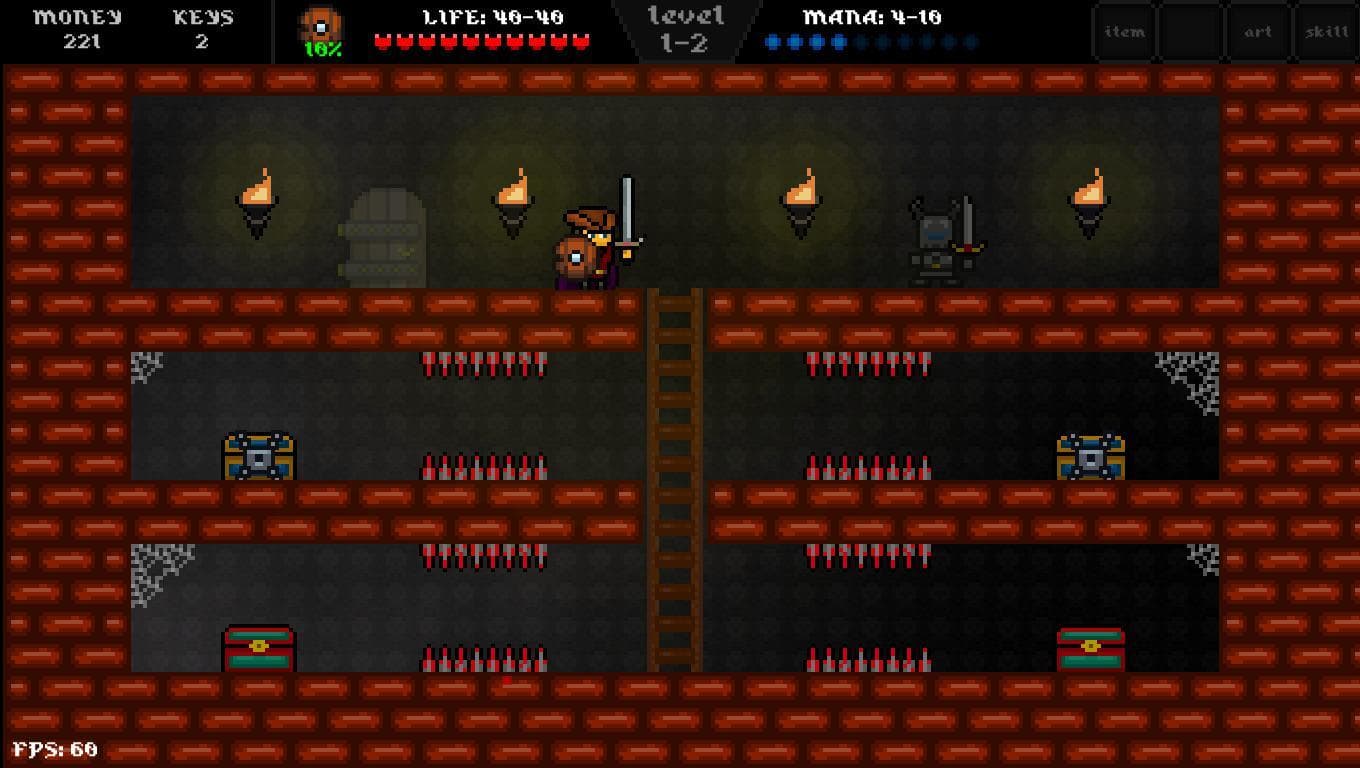
Princess.Loot.Pixel.Again is a skill-based roguelike platformer that challenges players with dynamic action and strategic decision-making. Its procedural generation ensures high replayability, encouraging players to learn from mistakes and improve their cognitive skills like problem-solving, spatial awareness, and critical thinking. The game emphasizes fun and player skill over grinding, offering a rewarding experience for those who enjoy mastering challenging gameplay.
Design risks
| R1 | Dopamine pressure | 0.13 | |
| R2 | Monetization | 0.00 | |
| R3 | Social risk | 0.00 | |
While Princess.Loot.Pixel.Again is largely free of manipulative design and monetization pressures, its core roguelike mechanic of instant death can be frustrating for some players. The game's pixelated action involves mild fantasy violence. The narrative structure positions the princess as a reward for the male protagonist, which may be seen as a dated trope.
Heads up
- Monthly spendTypical real-money spend by engaged players: $0–0/mo.