Review · Fighting · PC
Swords and Sandals: Gladiator
By the LumiKin editors
Reviewed: 29 May 2026
PC
3RD Sense · 2007
LumiScore
61/100
Good
Growth (BDS)
44
Risk (RIS)
3
Daily limit
120min
Age guidance
—
Developmental benefits
| B1 | Cognitive | 0.56 | |
| B2 | Social-emotional | 0.03 | |
| B3 | Motor | 0.75 | |
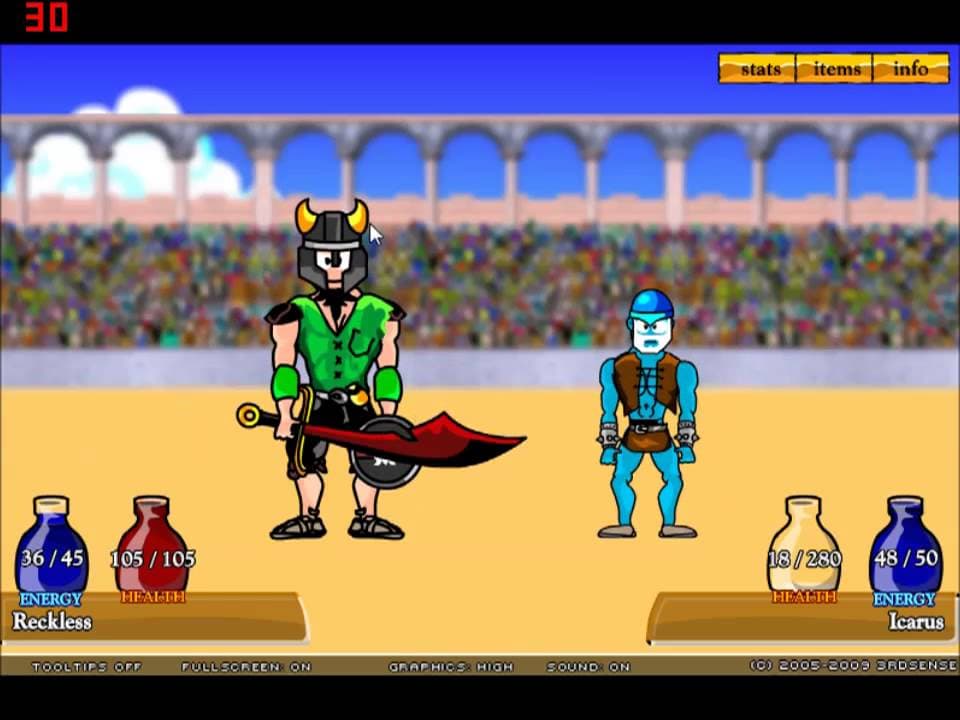
Swords and Sandals: Gladiator offers engaging strategic combat, requiring players to develop tactical skills and adapt to various opponents. The game promotes hand-eye coordination, fine motor skills, and quick reaction times through its core fighting mechanics. Players can also engage in character progression and build customization, fostering a sense of accomplishment.
Design risks
| R1 | Dopamine pressure | 0.00 | |
| R2 | Monetization | 0.00 | |
| R3 | Social risk | 0.11 | |
The primary risk in Swords and Sandals: Gladiator is the graphic violence inherent in gladiatorial combat, which may not be suitable for all players. While the game lacks manipulative monetization or social features, the challenging nature of combat could lead to frustration for some players. There is also a minimal risk of competitive toxicity if players engage in self-comparison against in-game leaderboards or personal bests.
Heads up
- Monthly spendTypical real-money spend by engaged players: $0–0/mo.