Review · Strategy · macOS · PC
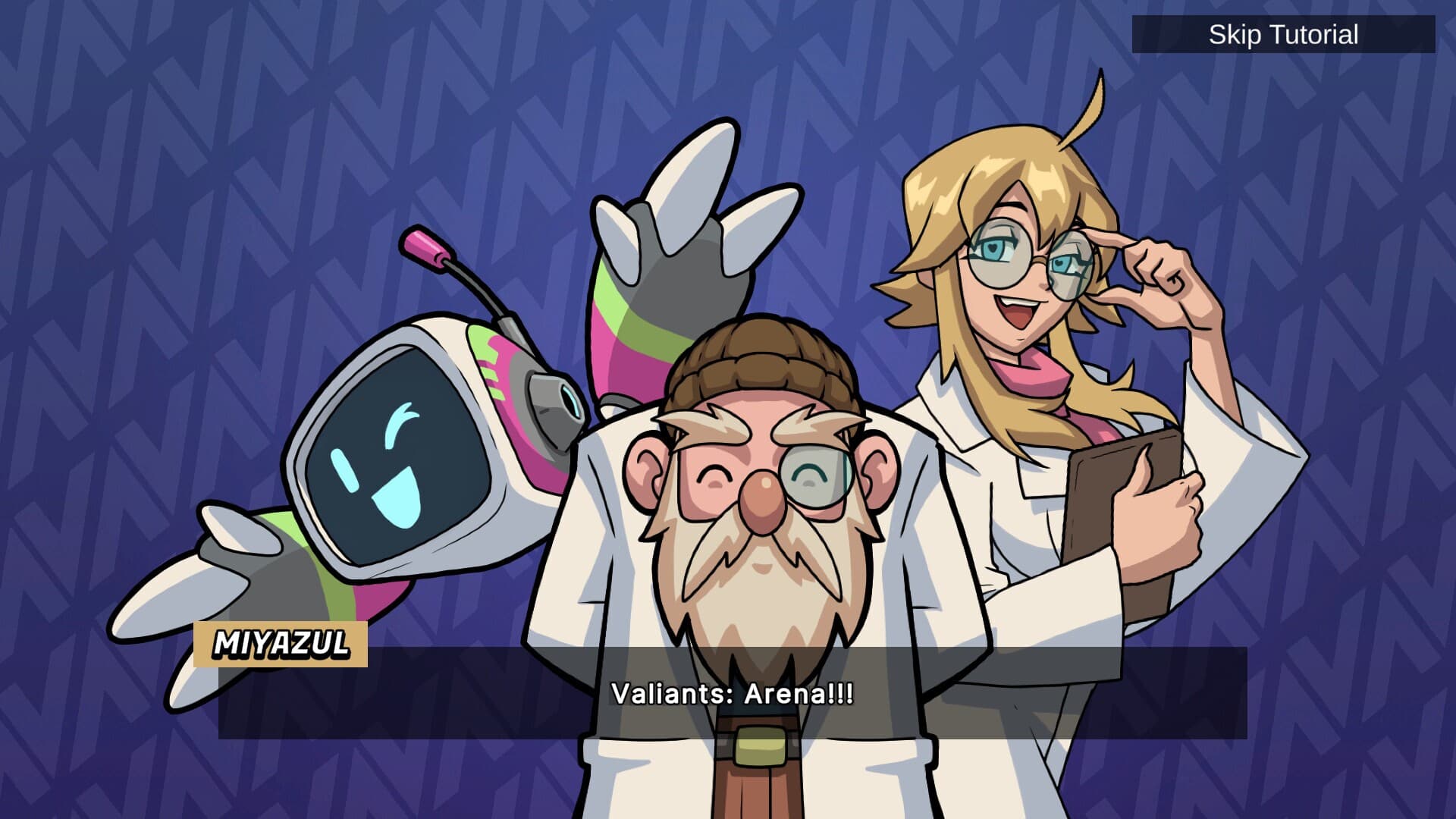
Valiants: Arena
By the LumiKin editors
Reviewed: 19 Jun 2026
macOS · PC
Vortrius · 2025
LumiScore
51/100
Good
Growth (BDS)
45
Risk (RIS)
40
Daily limit
60min
Age guidance
—
Developmental benefits
| B1 | Cognitive | 0.72 | |
| B2 | Social-emotional | 0.20 | |
| B3 | Motor | 0.15 | |
Valiants: Arena offers a deep strategic experience that encourages players to develop critical thinking, problem-solving, and adaptive strategy skills through its dynamic combat system and elemental mechanics. Customization of Valiants and skill cards fosters creativity and personal expression. The 'easy to pick up, hard to master' design promotes continuous learning and skill development.
Design risks
| R1 | Dopamine pressure | 0.40 | |
| R2 | Monetization | 0.42 | |
| R3 | Social risk | 0.39 | |
As a competitive game with microtransactions, Valiants: Arena carries risks of monetization pressure, particularly if 'pay-to-win' elements are present through purchasable skill cards or accessories. The ranked division system and tournaments can lead to competitive toxicity, social comparison, and potentially tie a player's identity and self-worth to their in-game performance. While stranger chat is absent, the competitive environment itself can be a source of stress.
Heads up
- Monthly spendTypical real-money spend by engaged players: $0–20/mo.