Review · Action · Xbox One · PlayStation 4 · PC
60 Seconds! Reatomized
Reviewed: 20 May 2026
Xbox One · PlayStation 4 · PC · macOS · iOS
Robot Gentleman · 2019
Ludograph rating
Growth (BDS)
54
Risk (RIS)
11
Daily limit
120min
Age guidance
13+
Developmental benefits
| B1 | Cognitive | 0.76 | |
| B2 | Social-emotional | 0.40 | |
| B3 | Motor | 0.20 | |
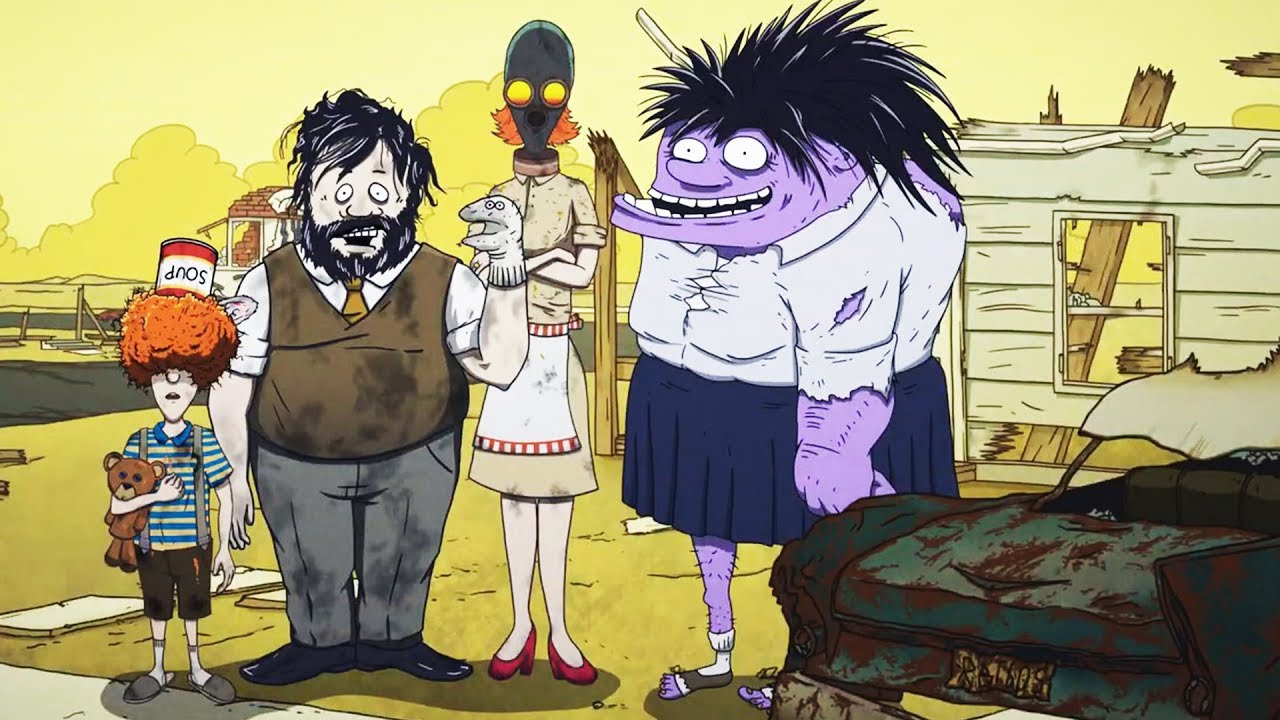
60 Seconds! Reatomized offers a unique blend of strategy, resource management, and ethical decision-making in a high-stakes survival scenario. Players will hone their problem-solving, strategic thinking, and critical thinking skills as they navigate a constantly changing environment and make difficult choices to ensure their family's survival. The game encourages learning from multiple playthroughs and adapting to unexpected events, fostering strong adaptive challenge skills. The narrative-driven family interactions also provide opportunities for empathy and ethical reasoning.
Design risks
| R1 | Compulsion-loop pressure | 0.23 | |
| R2 | Monetization | 0.00 | |
| R3 | Social risk | 0.00 | |
While not featuring manipulative monetization or social risks, '60 Seconds! Reatomized' presents a moderately intense experience due to its nuclear apocalypse theme, which includes elements of violence, mild language, and fear/horror. The core survival loop, while engaging, can create a mild sense of loss aversion and escalating commitment as players invest in their family's well-being and resources.
Content (not in risk score)
| R4.1 | Violence Level | 0.67 | |
| R4.2 | Sexual Content | 0.00 | |
| R4.3 | Language | 0.33 | |
| R4.4 | Substance References | 0.00 | |
| R4.5 | Fear / Horror | 0.67 | |
Content risk is displayed separately and does not affect the time recommendation.
Regulatory design checks · DSA — Assessed: meets criteria·GDPR-K — Assessed: meets criteria·ODDS — Assessed: meets criteria
- DSA:What Ludograph checks: whether the game's design gives minors the transparency the EU Digital Services Act expects: plain terms, honest defaults, and clear reporting routes.: Estimated from review data. No dark pattern or child-targeting concerns found.
- GDPR-K:What Ludograph checks: whether age assurance and consent flows are designed for under-16s, in the spirit of GDPR Article 8.: Estimated from review data. No privacy or child-targeting concerns found.
- ODDS:What Ludograph checks: whether paid random-reward drop rates are disclosed, as required in China, Japan and South Korea.: Estimated from review data. No paid random-reward mechanics found, so drop-rate disclosure requirements do not apply.
These reflect Ludograph's assessment of the game's design practices against each framework's criteria, not a legal compliance determination.