Review · Game · PC
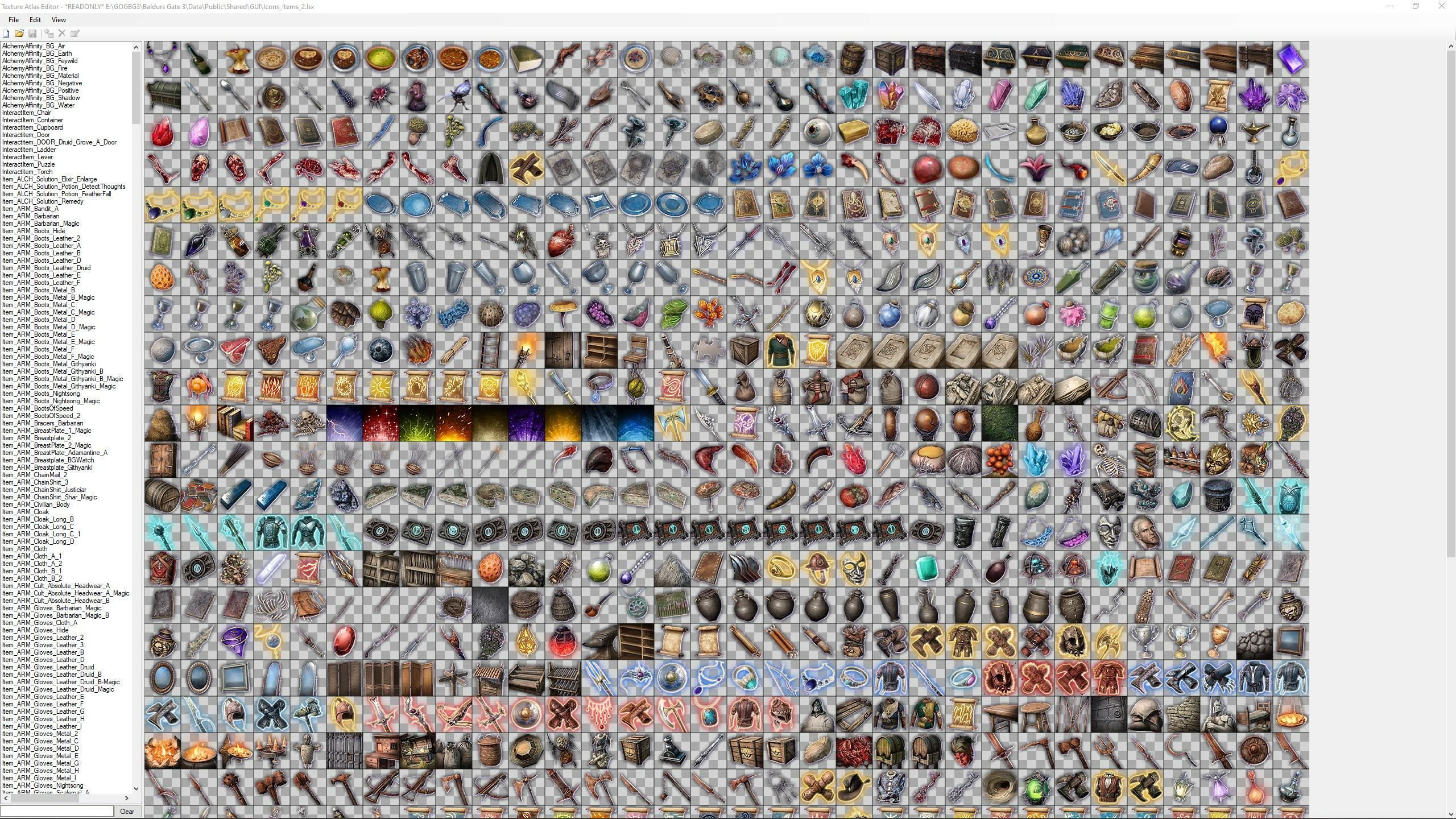
Baldur's Gate 3 Toolkit
Reviewed: 18 Apr 2026
PC
Larian Studios
Ludograph rating
A
Recommended
73 /100
Baldur's Gate 3 Toolkit is a creative tool that builds problem solving and critical thinking for older children, despite its mature game tie-in.
Growth (BDS)
60
Risk (RIS)
7
Daily limit
120min
Age guidance
–
Developmental benefits
| B1 | Cognitive | 0.84 | |
| B2 | Social-emotional | 0.40 | |
| B3 | Motor | 0.30 | |
The Baldur's Gate 3 Toolkit is an exceptionally rich creative and educational tool for older children and teens. It functions as a full game development engine, requiring users to engage in complex problem-solving, systems design, creative writing, and logical thinking to build working mods. Learning to create classes, spells, and world content closely mirrors real software development and game design workflows, making it a powerful gateway to STEM and digital arts. The reading and language demands are high — users must interpret technical documentation, scripting references, and community guides. The creative ceiling is nearly unlimited, rewarding imagination and persistence. Sharing creations with the modding community also fosters a sense of accomplishment and positive social connection.
Design risks
| R1 | Compulsion-loop pressure | 0.07 | |
| R2 | Monetization | 0.00 | |
| R3 | Social risk | 0.17 | |
The toolkit is designed for the BG3 game, which carries a Mature ESRB rating; however, the toolkit itself contains no objectionable content. The main risks are modest: publishing mods online exposes creators to community feedback (positive or negative), which could affect self-worth for sensitive younger users. There is a mild risk of privacy exposure when publishing work to public modding platforms. The creative "rabbit hole" nature of the tool means sessions can stretch long due to engagement rather than manipulative design — there are no compulsion loops, monetization pressures, or streak mechanics of any kind.
Content (not in risk score)
| R4.1 | Violence Level | 0.00 | |
| R4.2 | Sexual Content | 0.00 | |
| R4.3 | Language | 0.00 | |
| R4.4 | Substance References | 0.00 | |
| R4.5 | Fear / Horror | 0.00 | |
Content risk is displayed separately and does not affect the time recommendation.
Regulatory design checks · DSA — Assessed: meets criteria·GDPR-K — Not yet assessed·ODDS — Assessed: meets criteria
- DSA:What Ludograph checks: whether the game's design gives minors the transparency the EU Digital Services Act expects: plain terms, honest defaults, and clear reporting routes.: Estimated from review data. No dark pattern or child-targeting concerns found.
- GDPR-K:What Ludograph checks: whether age assurance and consent flows are designed for under-16s, in the spirit of GDPR Article 8.
- ODDS:What Ludograph checks: whether paid random-reward drop rates are disclosed, as required in China, Japan and South Korea.: Estimated from review data. No paid random-reward mechanics found, so drop-rate disclosure requirements do not apply.
These reflect Ludograph's assessment of the game's design practices against each framework's criteria, not a legal compliance determination.