Review · Strategy · macOS · PC
Chaos Invasion TD
Reviewed: 19 Jun 2026
macOS · PC
GTTK STUDIO · 2025
Ludograph rating
Growth (BDS)
37
Risk (RIS)
5
Daily limit
120min
Age guidance
13+
Developmental benefits
| B1 | Cognitive | 0.68 | |
| B2 | Social-emotional | 0.00 | |
| B3 | Motor | 0.15 | |
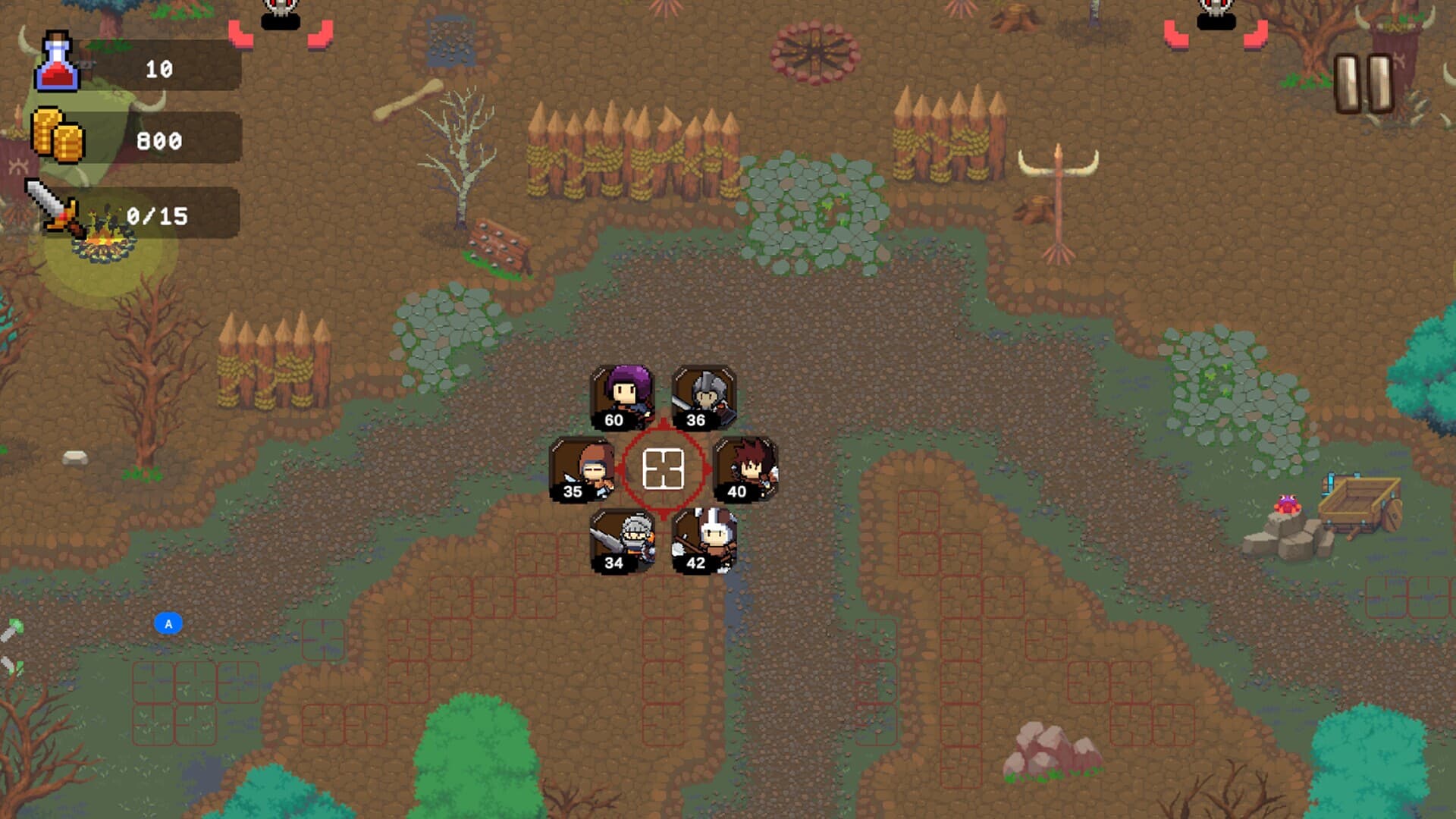
Chaos Invasion TD is a strategy-rich tower defense game that significantly develops cognitive skills. Players will engage in complex problem-solving, strategic planning, and critical thinking as they build defenses, manage resources, and adapt to dynamic battlefield conditions. The game fosters spatial awareness through unit placement and terrain utilization, encourages creativity in crafting unique army builds, and promotes learning transfer as players unlock and evolve classes. Its adaptive challenge system, with dynamic loot and multiple difficulty modes, ensures continuous engagement and skill development.
Design risks
| R1 | Compulsion-loop pressure | 0.10 | |
| R2 | Monetization | 0.00 | |
| R3 | Social risk | 0.00 | |
The primary risk in Chaos Invasion TD is the presence of variable rewards through its dynamic loot system, which can encourage extended play sessions. Content-wise, the game features mild fantasy violence involving bandits, orcs, and undead, along with a low level of fantasy-themed fear/horror. However, it lacks social risks, monetization pressures, or explicit compulsion-loop design mechanics like streak penalties or FOMO events.
Content (not in risk score)
| R4.1 | Violence Level | 0.67 | |
| R4.2 | Sexual Content | 0.00 | |
| R4.3 | Language | 0.00 | |
| R4.4 | Substance References | 0.00 | |
| R4.5 | Fear / Horror | 0.33 | |
Content risk is displayed separately and does not affect the time recommendation.
Regulatory design checks · DSA — Assessed: meets criteria·GDPR-K — Assessed: meets criteria·ODDS — Assessed: meets criteria
- DSA:What Ludograph checks: whether the game's design gives minors the transparency the EU Digital Services Act expects: plain terms, honest defaults, and clear reporting routes.: Estimated from review data. No dark pattern or child-targeting concerns found.
- GDPR-K:What Ludograph checks: whether age assurance and consent flows are designed for under-16s, in the spirit of GDPR Article 8.: Estimated from review data. No privacy or child-targeting concerns found.
- ODDS:What Ludograph checks: whether paid random-reward drop rates are disclosed, as required in China, Japan and South Korea.: Estimated from review data. No paid random-reward mechanics found, so drop-rate disclosure requirements do not apply.
These reflect Ludograph's assessment of the game's design practices against each framework's criteria, not a legal compliance determination.