Review · RPG · SNES
Dragon Ball Z Chou Saiya Densetsu
Reviewed: 03 Jun 2026
SNES
Tose Software · 1992
Ludograph rating
Growth (BDS)
50
Risk (RIS)
3
Daily limit
120min
Age guidance
13+
Developmental benefits
| B1 | Cognitive | 0.74 | |
| B2 | Social-emotional | 0.20 | |
| B3 | Motor | 0.35 | |
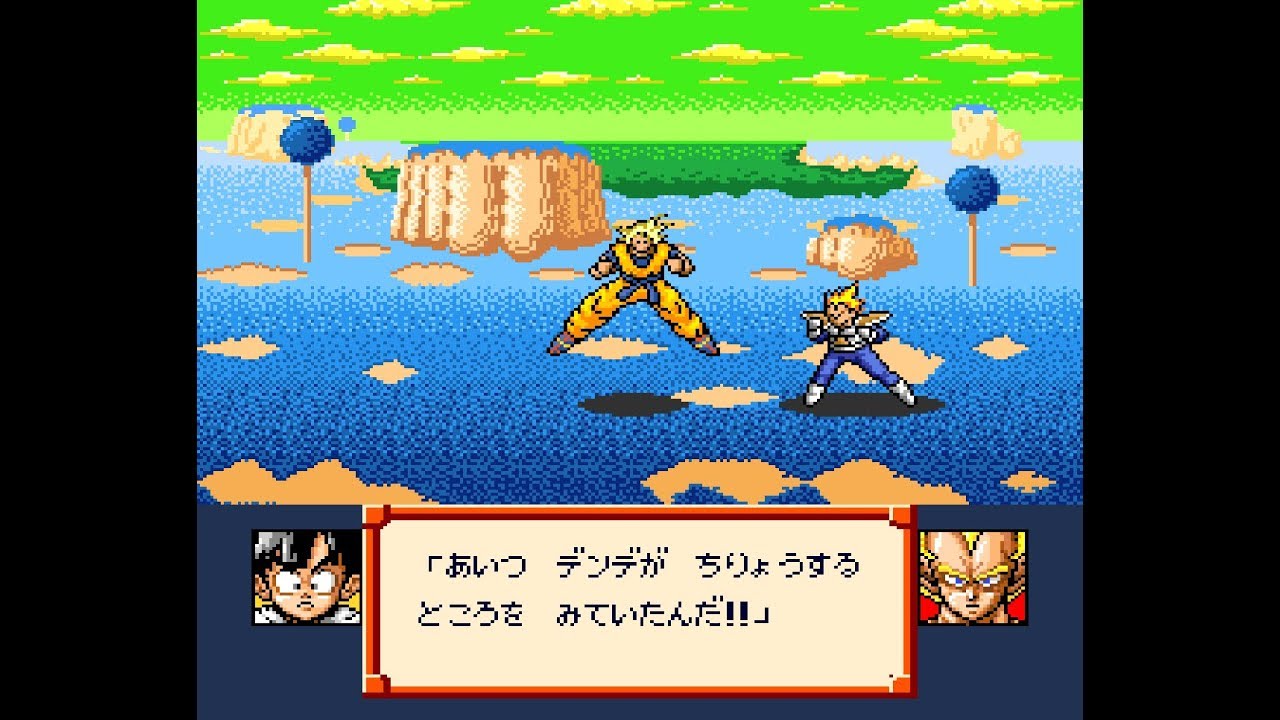
Dragon Ball Z Chou Saiya Densetsu offers a classic RPG experience, fostering strategic thinking, problem-solving, and reading comprehension through its card-based combat and narrative. Players engage with mathematical systems for character progression and combat calculations, while also developing memory and attention to detail for game mechanics and story elements. The game provides adaptive challenges that encourage learning and transfer of strategies.
Design risks
| R1 | Compulsion-loop pressure | 0.07 | |
| R2 | Monetization | 0.00 | |
| R3 | Social risk | 0.00 | |
While largely free from modern manipulative design, the game features mild cartoon violence consistent with the Dragon Ball Z franchise. Its single-player nature means it offers limited opportunities for social-emotional development compared to cooperative games. The representation of gender and ethnicity is somewhat limited, reflecting the source material.
Content (not in risk score)
| R4.1 | Violence Level | 0.67 | |
| R4.2 | Sexual Content | 0.00 | |
| R4.3 | Language | 0.33 | |
| R4.4 | Substance References | 0.00 | |
| R4.5 | Fear / Horror | 0.00 | |
Content risk is displayed separately and does not affect the time recommendation.
Regulatory design checks · DSA — Assessed: meets criteria·GDPR-K — Assessed: meets criteria·ODDS — Assessed: meets criteria
- DSA:What Ludograph checks: whether the game's design gives minors the transparency the EU Digital Services Act expects: plain terms, honest defaults, and clear reporting routes.: Estimated from review data. No dark pattern or child-targeting concerns found.
- GDPR-K:What Ludograph checks: whether age assurance and consent flows are designed for under-16s, in the spirit of GDPR Article 8.: Estimated from review data. No privacy or child-targeting concerns found.
- ODDS:What Ludograph checks: whether paid random-reward drop rates are disclosed, as required in China, Japan and South Korea.: Estimated from review data. No paid random-reward mechanics found, so drop-rate disclosure requirements do not apply.
These reflect Ludograph's assessment of the game's design practices against each framework's criteria, not a legal compliance determination.