Review · Action · PlayStation 4 · PC · Xbox One
How to Survive 2
Reviewed: 16 May 2026
PlayStation 4 · PC · Xbox One
505 Games · 2016
Ludograph rating
Growth (BDS)
55
Risk (RIS)
15
Daily limit
–
Age guidance
17+
Developmental benefits
| B1 | Cognitive | 0.64 | |
| B2 | Social-emotional | 0.47 | |
| B3 | Motor | 0.45 | |
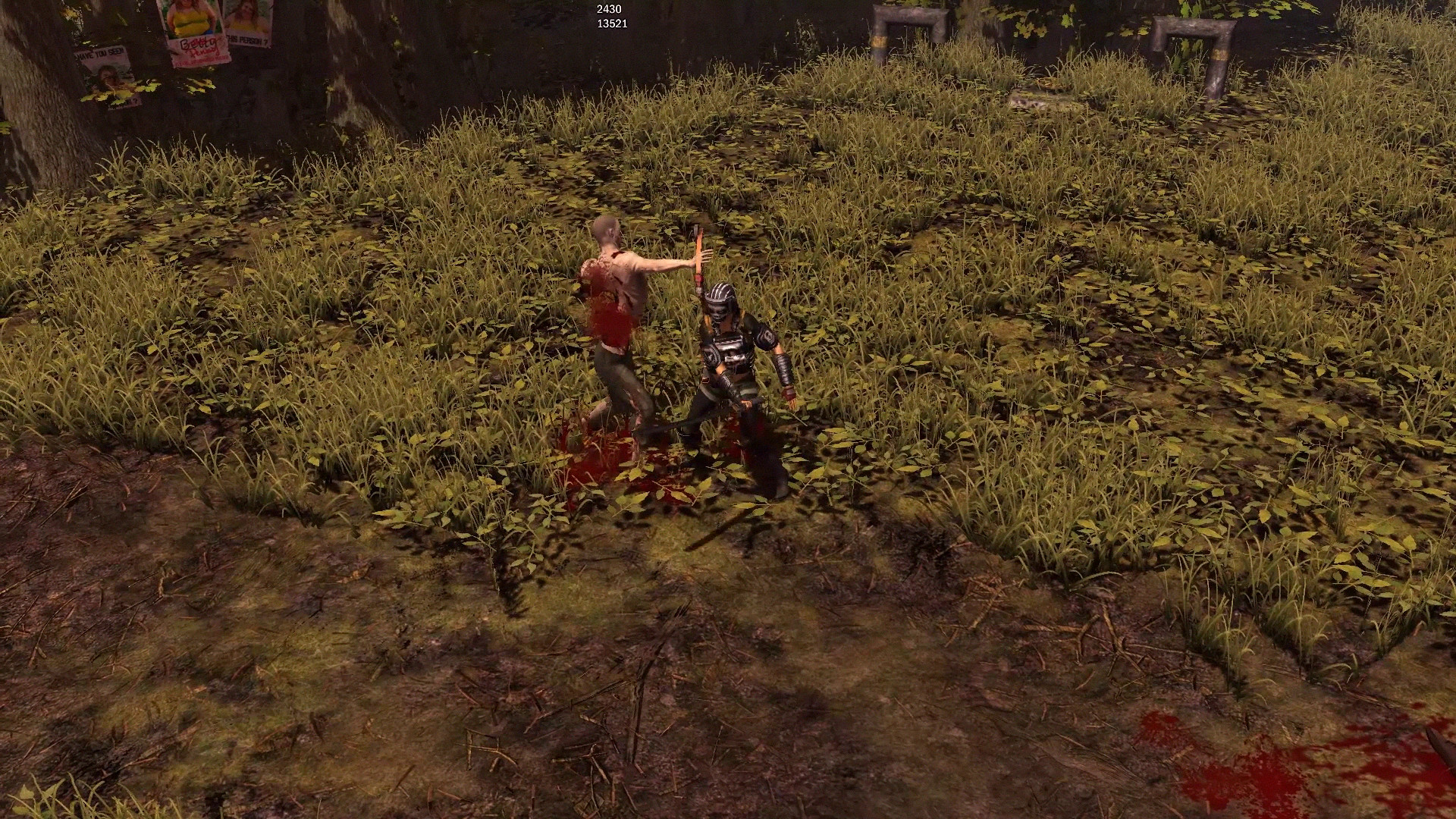
How to Survive 2 offers a rich multiplayer survival experience that promotes problem-solving, strategic thinking, and teamwork. Players must work together to gather resources, build and defend their camp, and overcome challenging zombie hordes. The deep crafting system encourages creativity and forward-planning.
Design risks
| R1 | Compulsion-loop pressure | 0.20 | |
| R2 | Monetization | 0.00 | |
| R3 | Social risk | 0.22 | |
The game contains frequent, intense violence with gory effects and features some potentially disturbing horror elements. The lack of clear stopping points and penalization for breaks in 'Elite quests' could lead to extended play sessions. There is a risk of mild competitive toxicity in multiplayer. The violence is often trivialized and directed at defenseless targets (zombies), which could desensitize players.
Content (not in risk score)
| R4.1 | Violence Level | 1.00 | |
| R4.2 | Sexual Content | 0.00 | |
| R4.3 | Language | 0.33 | |
| R4.4 | Substance References | 0.00 | |
| R4.5 | Fear / Horror | 0.67 | |
Content risk is displayed separately and does not affect the time recommendation.
Regulatory design checks · DSA — Assessed: meets criteria·GDPR-K — Assessed: meets criteria·ODDS — Assessed: meets criteria
- DSA:What Ludograph checks: whether the game's design gives minors the transparency the EU Digital Services Act expects: plain terms, honest defaults, and clear reporting routes.: Estimated from review data. No dark pattern or child-targeting concerns found.
- GDPR-K:What Ludograph checks: whether age assurance and consent flows are designed for under-16s, in the spirit of GDPR Article 8.: Estimated from review data. No privacy or child-targeting concerns found.
- ODDS:What Ludograph checks: whether paid random-reward drop rates are disclosed, as required in China, Japan and South Korea.: Estimated from review data. No paid random-reward mechanics found, so drop-rate disclosure requirements do not apply.
These reflect Ludograph's assessment of the game's design practices against each framework's criteria, not a legal compliance determination.