Review · Shooter · PC
Jigoku Kisetsukan: Sense of the Seasons
Reviewed: 23 May 2026
PC
Emad · 2015
Ludograph rating
Growth (BDS)
54
Risk (RIS)
31
Daily limit
60min
Age guidance
7+
Developmental benefits
| B1 | Cognitive | 0.70 | |
| B2 | Social-emotional | 0.13 | |
| B3 | Motor | 0.75 | |
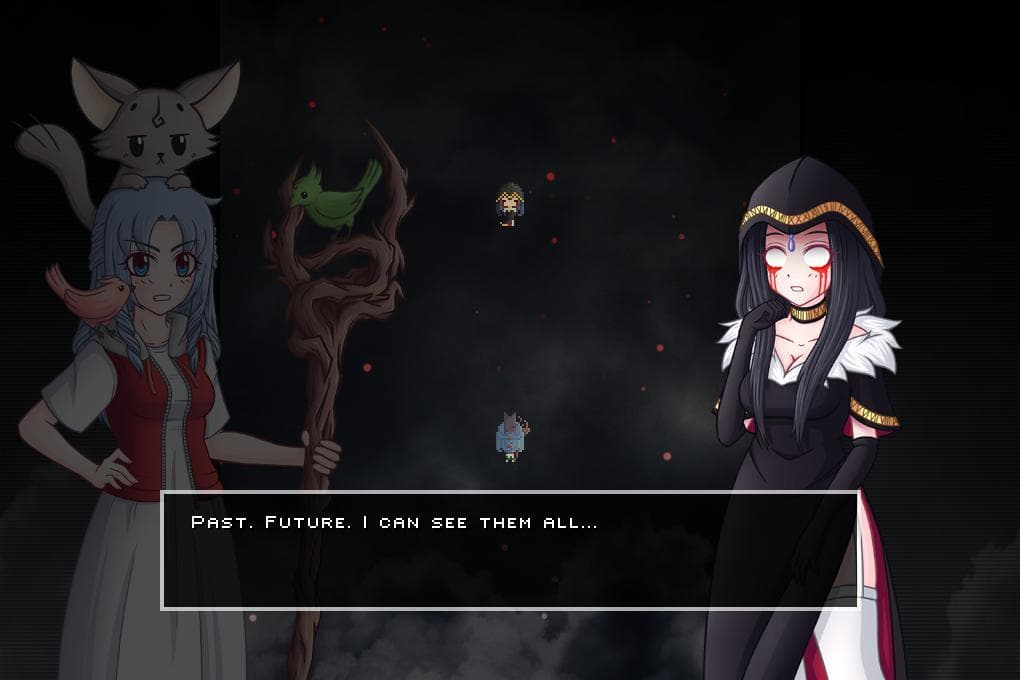
Jigoku Kisetsukan: Sense of the Seasons is a challenging bullet hell game that significantly enhances cognitive skills such as problem-solving, spatial awareness, strategic thinking, critical thinking, memory, and attention. Its fast-paced action and complex bullet patterns demand quick reactions and fine motor control, making it an excellent workout for hand-eye coordination. The multiple characters, storylines, and difficulty levels offer substantial replayability and adaptive challenge, fostering learning transfer and emotional regulation through overcoming difficult obstacles.
Design risks
| R1 | Compulsion-loop pressure | 0.37 | |
| R2 | Monetization | 0.33 | |
| R3 | Social risk | 0.17 | |
While offering significant cognitive benefits, Jigoku Kisetsukan includes microtransactions which introduce potential risks related to compulsion-loop design and monetization pressure. These could involve variable rewards, near-miss mechanics, and potential pay-to-win elements or spending prompts. The game's competitive nature, particularly through high scores, may also lead to social comparison and impact identity/self-worth, though direct social interaction risks are absent. Content-wise, it features abstract violence typical of the shoot 'em up genre.
Content (not in risk score)
| R4.1 | Violence Level | 0.33 | |
| R4.2 | Sexual Content | 0.00 | |
| R4.3 | Language | 0.00 | |
| R4.4 | Substance References | 0.00 | |
| R4.5 | Fear / Horror | 0.00 | |
Content risk is displayed separately and does not affect the time recommendation.
Heads up
- Monthly spendTypical real-money spend by engaged players: $0 – $20/mo.
Regulatory design checks · DSA — Not yet assessed·GDPR-K — Not yet assessed·ODDS — Assessed: meets criteria
- DSA:What Ludograph checks: whether the game's design gives minors the transparency the EU Digital Services Act expects: plain terms, honest defaults, and clear reporting routes.
- GDPR-K:What Ludograph checks: whether age assurance and consent flows are designed for under-16s, in the spirit of GDPR Article 8.
- ODDS:What Ludograph checks: whether paid random-reward drop rates are disclosed, as required in China, Japan and South Korea.: Estimated from review data. No paid random-reward mechanics found, so drop-rate disclosure requirements do not apply.
These reflect Ludograph's assessment of the game's design practices against each framework's criteria, not a legal compliance determination.