Review · Action · PC
Life is Feudal: Your Own
Reviewed: 23 May 2026
PC
Bitbox · 2015
Ludograph rating
Growth (BDS)
71
Risk (RIS)
19
Daily limit
–
Age guidance
17+
Developmental benefits
| B1 | Cognitive | 0.84 | |
| B2 | Social-emotional | 0.60 | |
| B3 | Motor | 0.55 | |
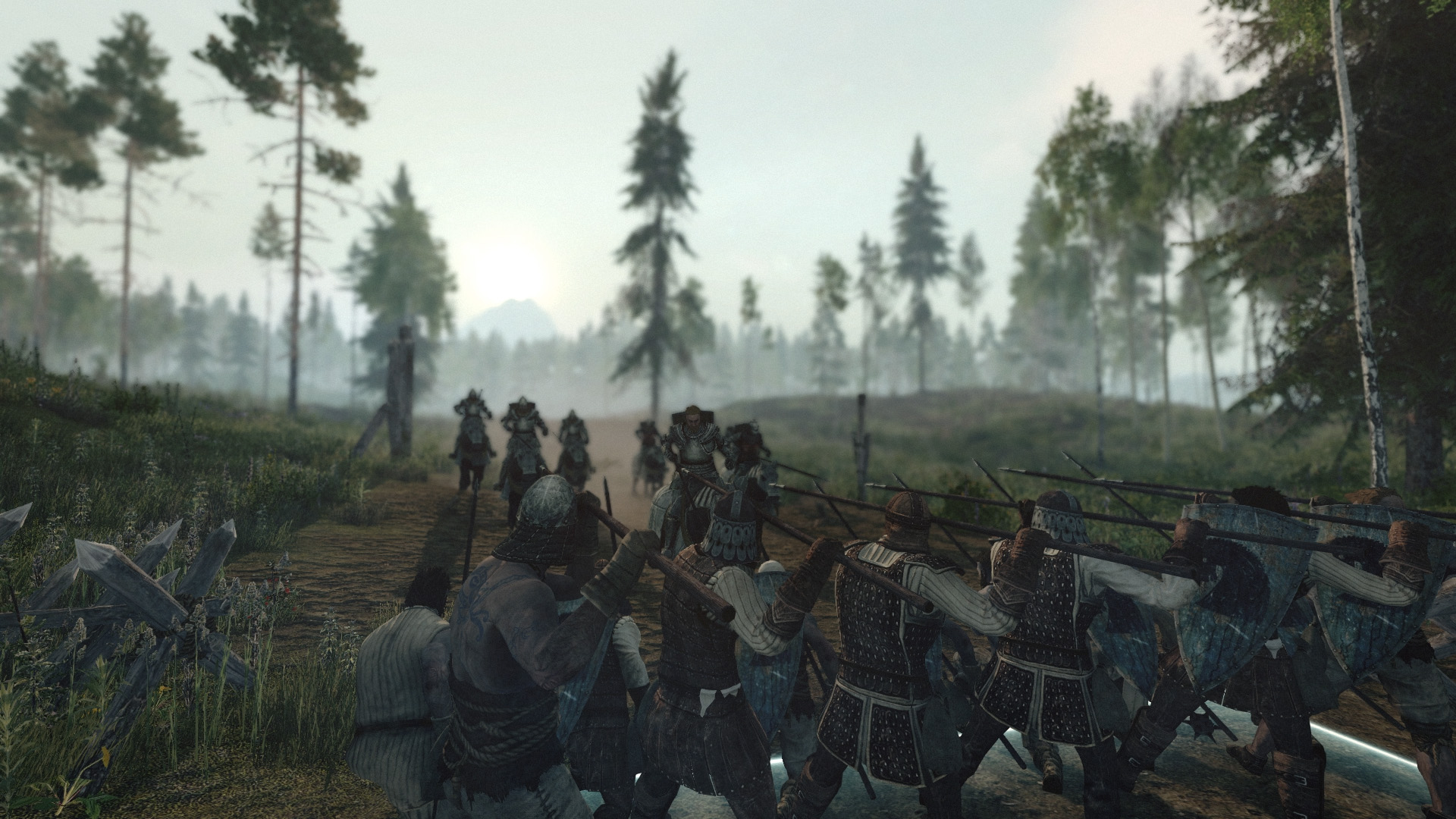
Life is Feudal: Your Own offers a deeply engaging and challenging sandbox experience where players can unleash their creativity through extensive building, terraforming, and crafting systems. It fosters strategic thinking, problem-solving, and teamwork through its unique combat and formation systems, allowing players to build and defend their own communities in a realistic medieval world.
Design risks
| R1 | Compulsion-loop pressure | 0.20 | |
| R2 | Monetization | 0.00 | |
| R3 | Social risk | 0.39 | |
The game's hardcore PvP nature and realistic damage system introduce risks of competitive toxicity and potential frustration from losing progress or resources. While there are no direct monetization risks, the open-ended, persistent world design may encourage extended play sessions, and the lack of explicit natural stopping points could make it challenging for players to disengage.
Content (not in risk score)
| R4.1 | Violence Level | 1.00 | |
| R4.2 | Sexual Content | 0.00 | |
| R4.3 | Language | 0.00 | |
| R4.4 | Substance References | 0.00 | |
| R4.5 | Fear / Horror | 0.00 | |
Content risk is displayed separately and does not affect the time recommendation.
Regulatory design checks · DSA — Assessed: meets criteria·GDPR-K — Not yet assessed·ODDS — Assessed: meets criteria
- DSA:What Ludograph checks: whether the game's design gives minors the transparency the EU Digital Services Act expects: plain terms, honest defaults, and clear reporting routes.: Estimated from review data. No dark pattern or child-targeting concerns found.
- GDPR-K:What Ludograph checks: whether age assurance and consent flows are designed for under-16s, in the spirit of GDPR Article 8.
- ODDS:What Ludograph checks: whether paid random-reward drop rates are disclosed, as required in China, Japan and South Korea.: Estimated from review data. No paid random-reward mechanics found, so drop-rate disclosure requirements do not apply.
These reflect Ludograph's assessment of the game's design practices against each framework's criteria, not a legal compliance determination.