Review · Strategy · PC
My Factory 我的工厂
Reviewed: 02 May 2026
PC
成都大神科技有限公司
Ludograph rating
B
Good
60 /100
My Factory 我的工厂 is a strategy game that builds problem solving and strategic thinking through complex resource management, suitable for older kids.
Growth (BDS)
44
Risk (RIS)
6
Daily limit
120min
Age guidance
13+
Developmental benefits
| B1 | Cognitive | 0.72 | |
| B2 | Social-emotional | 0.17 | |
| B3 | Motor | 0.15 | |
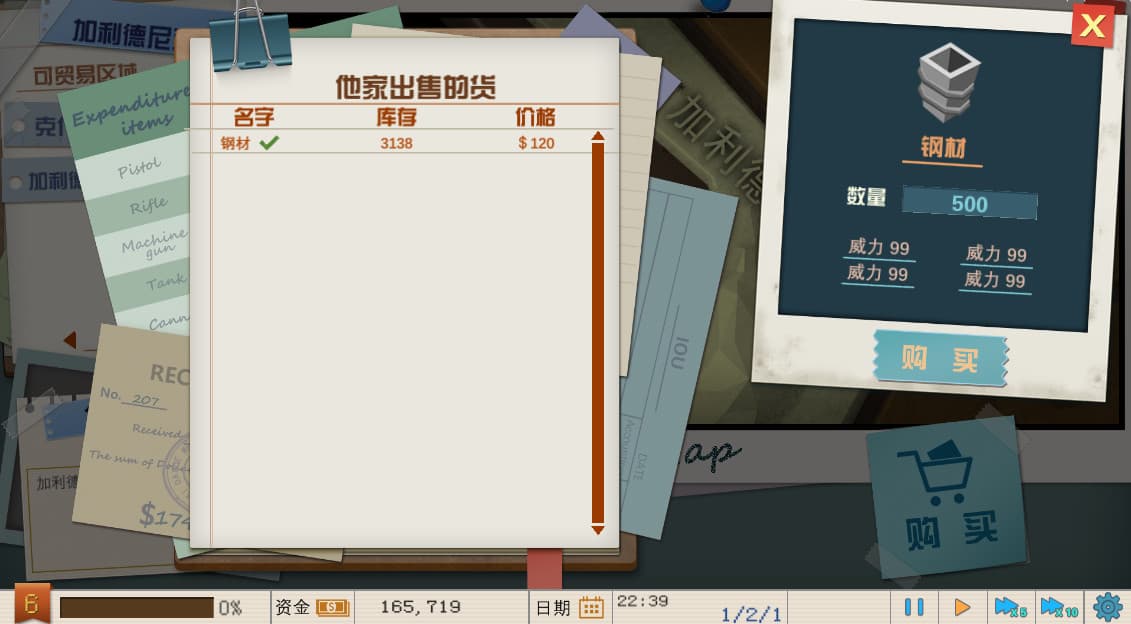
My Factory is a strategy and simulation game that challenges players with complex resource management, planning, and strategic decision-making in a post-apocalyptic world. It encourages problem-solving and adaptive thinking as players rebuild their family factory, research new technologies, and manage supply chains. The game also involves exploration, adding an element of discovery and risk assessment.
Design risks
| R1 | Compulsion-loop pressure | 0.13 | |
| R2 | Monetization | 0.00 | |
| R3 | Social risk | 0.00 | |
The game's narrative has a mild level of propaganda, presenting a view where military production is essential for societal rebuilding, which could be seen as promoting certain political or social ideologies. While there are no direct monetization pressures, the game does feature some compulsion-loop design through variable rewards in exploration and escalating commitment to factory growth. The content involves mild violence against monsters and zombies, which may be scary for younger children.
Content (not in risk score)
| R4.1 | Violence Level | 0.67 | |
| R4.2 | Sexual Content | 0.00 | |
| R4.3 | Language | 0.00 | |
| R4.4 | Substance References | 0.00 | |
| R4.5 | Fear / Horror | 0.33 | |
Content risk is displayed separately and does not affect the time recommendation.
Regulatory design checks · DSA — Assessed: meets criteria·GDPR-K — Assessed: meets criteria·ODDS — Assessed: meets criteria
- DSA:What Ludograph checks: whether the game's design gives minors the transparency the EU Digital Services Act expects: plain terms, honest defaults, and clear reporting routes.: Estimated from review data. No dark pattern or child-targeting concerns found.
- GDPR-K:What Ludograph checks: whether age assurance and consent flows are designed for under-16s, in the spirit of GDPR Article 8.: Estimated from review data. No privacy or child-targeting concerns found.
- ODDS:What Ludograph checks: whether paid random-reward drop rates are disclosed, as required in China, Japan and South Korea.: Estimated from review data. No paid random-reward mechanics found, so drop-rate disclosure requirements do not apply.
These reflect Ludograph's assessment of the game's design practices against each framework's criteria, not a legal compliance determination.