Review · Action · PC
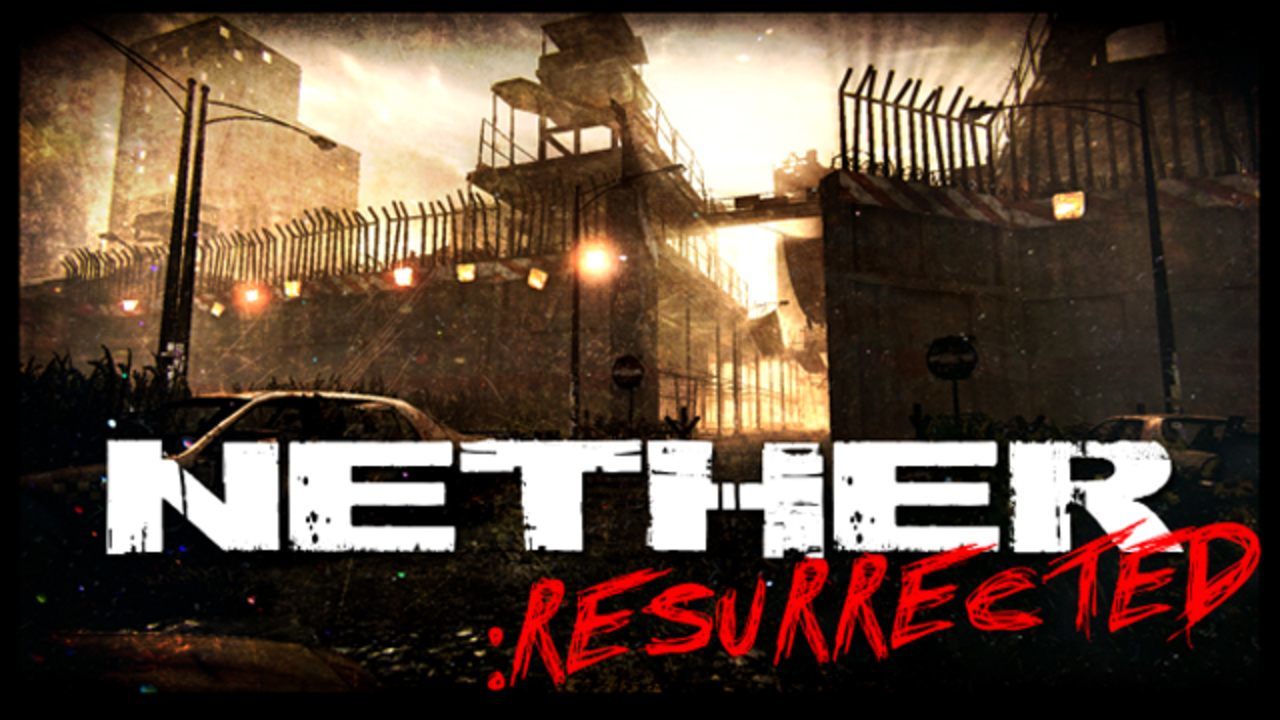
Nether: Resurrected
Reviewed: 23 May 2026
PC
Phosphor Games Studio · 2014
Ludograph rating
Growth (BDS)
67
Risk (RIS)
15
Daily limit
–
Age guidance
17+
Developmental benefits
| B1 | Cognitive | 0.72 | |
| B2 | Social-emotional | 0.60 | |
| B3 | Motor | 0.65 | |
Nether: Resurrected offers a challenging and immersive survival experience that significantly develops cognitive skills such as problem-solving, strategic thinking, and spatial awareness through its vast, explorable urban landscape and complex survival mechanics. Players must make quick, critical decisions to scavenge, craft, and navigate a hostile world. The game also fosters teamwork and communication within tribes, promoting positive social interaction in a cooperative context, while also demanding emotional regulation and ethical reasoning in a competitive environment. Its fast-paced action and first-person perspective enhance hand-eye coordination and reaction time.
Design risks
| R1 | Compulsion-loop pressure | 0.03 | |
| R2 | Monetization | 0.00 | |
| R3 | Social risk | 0.56 | |
The game presents significant social risks due to its strong player-versus-player (PvP) focus, fostering competitive toxicity and potential stranger risk, despite the absence of global stranger chat. Players must constantly beware of other survivors who may kill and loot them, leading to social comparison and identity self-worth being tied to in-game reputation and survival success. The content includes heavy violence and strong fear/horror elements, depicting a monster-filled urban apocalypse with mutated creatures and frequent death. While the game explicitly avoids manipulative compulsion-loop mechanics and monetization pressures, the intense competitive social dynamics and mature content require careful consideration.
Content (not in risk score)
| R4.1 | Violence Level | 1.00 | |
| R4.2 | Sexual Content | 0.00 | |
| R4.3 | Language | 0.00 | |
| R4.4 | Substance References | 0.00 | |
| R4.5 | Fear / Horror | 1.00 | |
Content risk is displayed separately and does not affect the time recommendation.
Regulatory design checks · DSA — Assessed: meets criteria·GDPR-K — Assessed: concerns noted·ODDS — Assessed: meets criteria
- DSA:What Ludograph checks: whether the game's design gives minors the transparency the EU Digital Services Act expects: plain terms, honest defaults, and clear reporting routes.: Estimated from review data. No dark pattern or child-targeting concerns found.
- GDPR-K:What Ludograph checks: whether age assurance and consent flows are designed for under-16s, in the spirit of GDPR Article 8.: Estimated from review data. Likely violations: unmoderated stranger contact that likely exposes personal data.
- ODDS:What Ludograph checks: whether paid random-reward drop rates are disclosed, as required in China, Japan and South Korea.: Estimated from review data. No paid random-reward mechanics found, so drop-rate disclosure requirements do not apply.
These reflect Ludograph's assessment of the game's design practices against each framework's criteria, not a legal compliance determination.