Review · Strategy · macOS · PC · Xbox One
Order of Battle: World War II
Reviewed: 01 May 2026
macOS · PC · Xbox One
The Artistocrats · 2015
Ludograph rating
B
Good
67 /100
Order of Battle: World War II is a strategy game where kids develop problem solving and critical thinking through historical military scenarios.
Growth (BDS)
51
Risk (RIS)
4
Daily limit
120min
Age guidance
13+
Developmental benefits
| B1 | Cognitive | 0.84 | |
| B2 | Social-emotional | 0.20 | |
| B3 | Motor | 0.15 | |
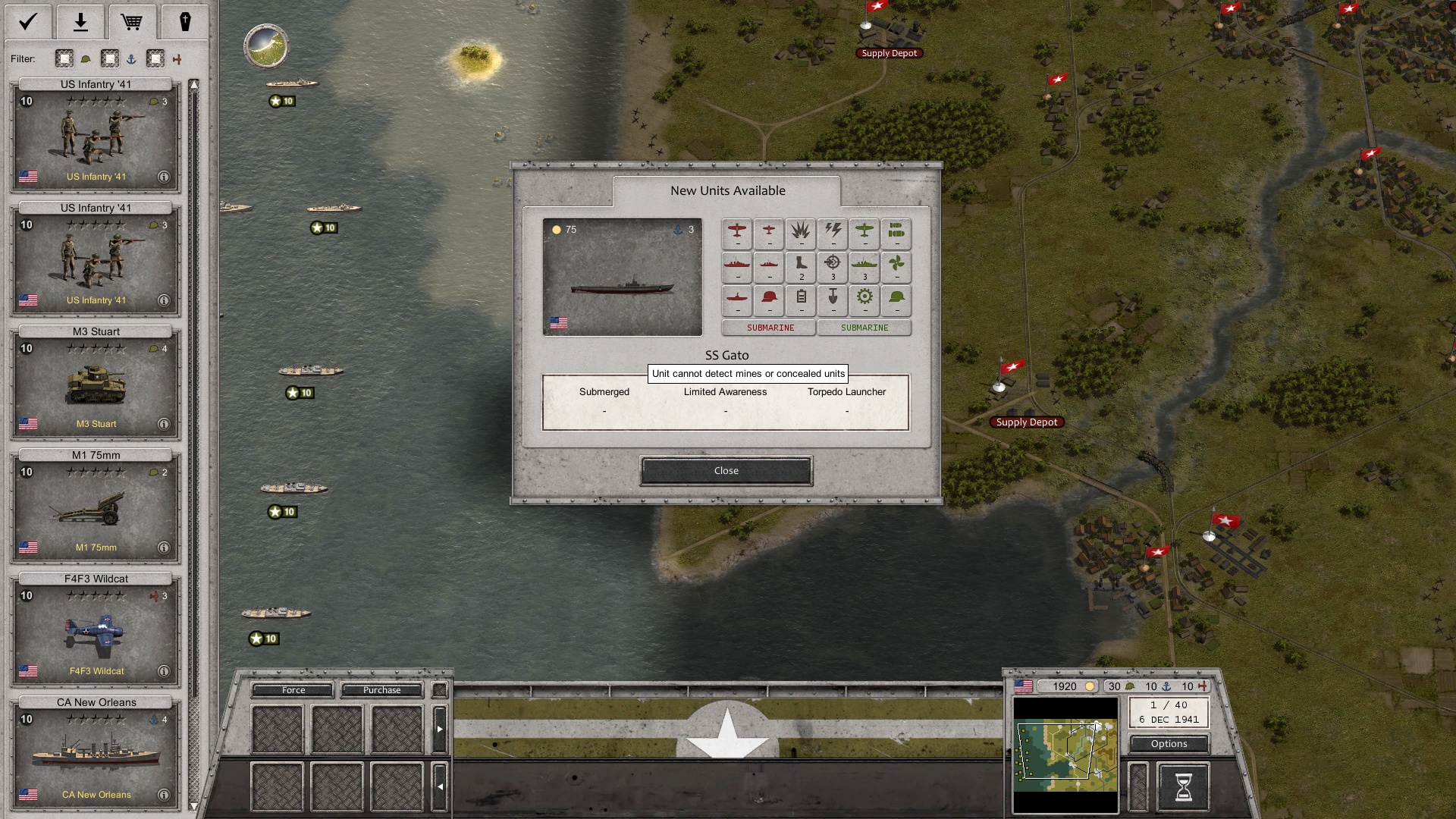
Order of Battle: World War II is a highly strategic and intellectually stimulating wargame that challenges players with complex tactical decisions, resource management, and historical military scenarios. It fosters critical thinking, problem-solving, and adaptive learning through its deep gameplay mechanics. The game's detailed units and historical context can also encourage an interest in history and geography. Its turn-based nature allows for thoughtful planning and reduces the pressure of real-time action.
Design risks
| R1 | Compulsion-loop pressure | 0.00 | |
| R2 | Monetization | 0.04 | |
| R3 | Social risk | 0.11 | |
While primarily a strategy game, Order of Battle: World War II depicts warfare and can expose players to historical violence, albeit in an abstract and strategic manner. The game's focus on the German perspective of WWII, particularly in the 'Blitzkrieg' DLC, may present a biased view of history if not accompanied by broader historical context. The presence of microtransactions for DLCs could lead to incremental spending.
Content (not in risk score)
| R4.1 | Violence Level | 0.67 | |
| R4.2 | Sexual Content | 0.00 | |
| R4.3 | Language | 0.00 | |
| R4.4 | Substance References | 0.00 | |
| R4.5 | Fear / Horror | 0.00 | |
Content risk is displayed separately and does not affect the time recommendation.
Heads up
- Monthly spendTypical real-money spend by engaged players: $0 – $10/mo.
Regulatory design checks · DSA — Assessed: meets criteria·GDPR-K — Assessed: meets criteria·ODDS — Assessed: meets criteria
- DSA:What Ludograph checks: whether the game's design gives minors the transparency the EU Digital Services Act expects: plain terms, honest defaults, and clear reporting routes.: Estimated from review data. No dark pattern or child-targeting concerns found.
- GDPR-K:What Ludograph checks: whether age assurance and consent flows are designed for under-16s, in the spirit of GDPR Article 8.: Estimated from review data. No privacy or child-targeting concerns found.
- ODDS:What Ludograph checks: whether paid random-reward drop rates are disclosed, as required in China, Japan and South Korea.: Estimated from review data. No paid random-reward mechanics found, so drop-rate disclosure requirements do not apply.
These reflect Ludograph's assessment of the game's design practices against each framework's criteria, not a legal compliance determination.