Review · Educational · PC
PsychLabVR
Reviewed: 30 May 2026
PC
Noah Robinson · 2017
Ludograph rating
Growth (BDS)
53
Risk (RIS)
4
Daily limit
120min
Age guidance
6+
Developmental benefits
| B1 | Cognitive | 0.44 | |
| B2 | Social-emotional | 0.70 | |
| B3 | Motor | 0.50 | |
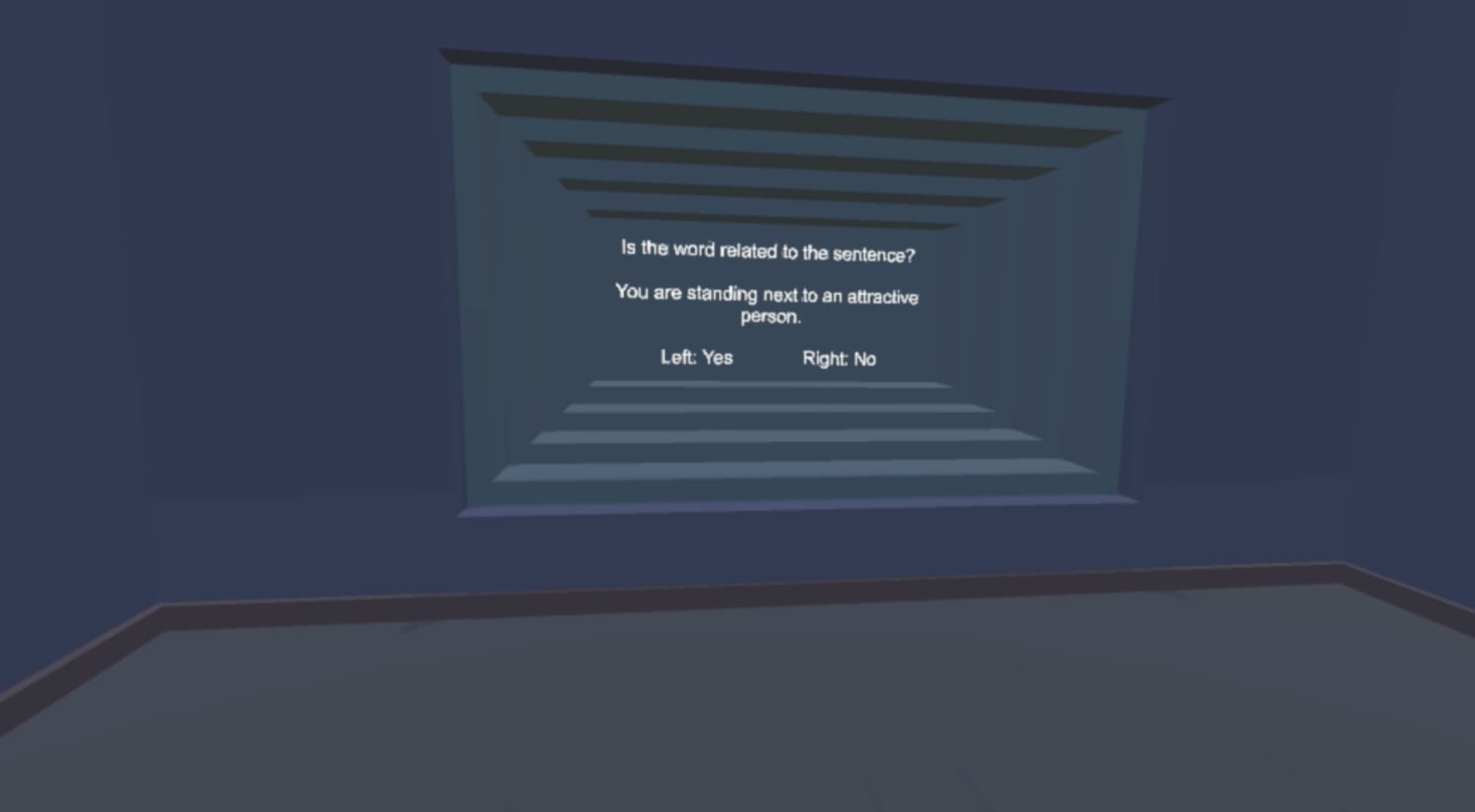
PsychLabVR offers a unique, free, and accessible platform for individuals to engage in simulated social scenarios, aiding in the measurement and potential treatment of social anxiety. Developed by academic researchers, it aims to provide an empirical foundation for automated interventions, fostering learning transfer and emotional regulation skills in a safe virtual environment.
Design risks
| R1 | Compulsion-loop pressure | 0.00 | |
| R2 | Monetization | 0.00 | |
| R3 | Social risk | 0.17 | |
The primary risk involves the collection of behavioral data and survey responses, raising privacy concerns despite IRB consent. Technical issues like long loading times may disrupt the user experience. While designed for treatment, the immersive nature of VR and the focus on anxiety could be intense for some users.
Content (not in risk score)
| R4.1 | Violence Level | 0.00 | |
| R4.2 | Sexual Content | 0.00 | |
| R4.3 | Language | 0.00 | |
| R4.4 | Substance References | 0.00 | |
| R4.5 | Fear / Horror | 0.00 | |
Content risk is displayed separately and does not affect the time recommendation.
Regulatory design checks · DSA — Assessed: meets criteria·GDPR-K — Assessed: concerns noted·ODDS — Assessed: meets criteria
- DSA:What Ludograph checks: whether the game's design gives minors the transparency the EU Digital Services Act expects: plain terms, honest defaults, and clear reporting routes.: Estimated from review data. No dark pattern or child-targeting concerns found.
- GDPR-K:What Ludograph checks: whether age assurance and consent flows are designed for under-16s, in the spirit of GDPR Article 8.: Estimated from review data. Likely violations: elevated privacy risk in a children-rated or child-targeted game.
- ODDS:What Ludograph checks: whether paid random-reward drop rates are disclosed, as required in China, Japan and South Korea.: Estimated from review data. No paid random-reward mechanics found, so drop-rate disclosure requirements do not apply.
These reflect Ludograph's assessment of the game's design practices against each framework's criteria, not a legal compliance determination.