Review · Simulation · PC
rFactor
Reviewed: 21 May 2026
PC
Image Space · 2005
Ludograph rating
Growth (BDS)
50
Risk (RIS)
4
Daily limit
120min
Age guidance
–
Developmental benefits
| B1 | Cognitive | 0.56 | |
| B2 | Social-emotional | 0.23 | |
| B3 | Motor | 0.75 | |
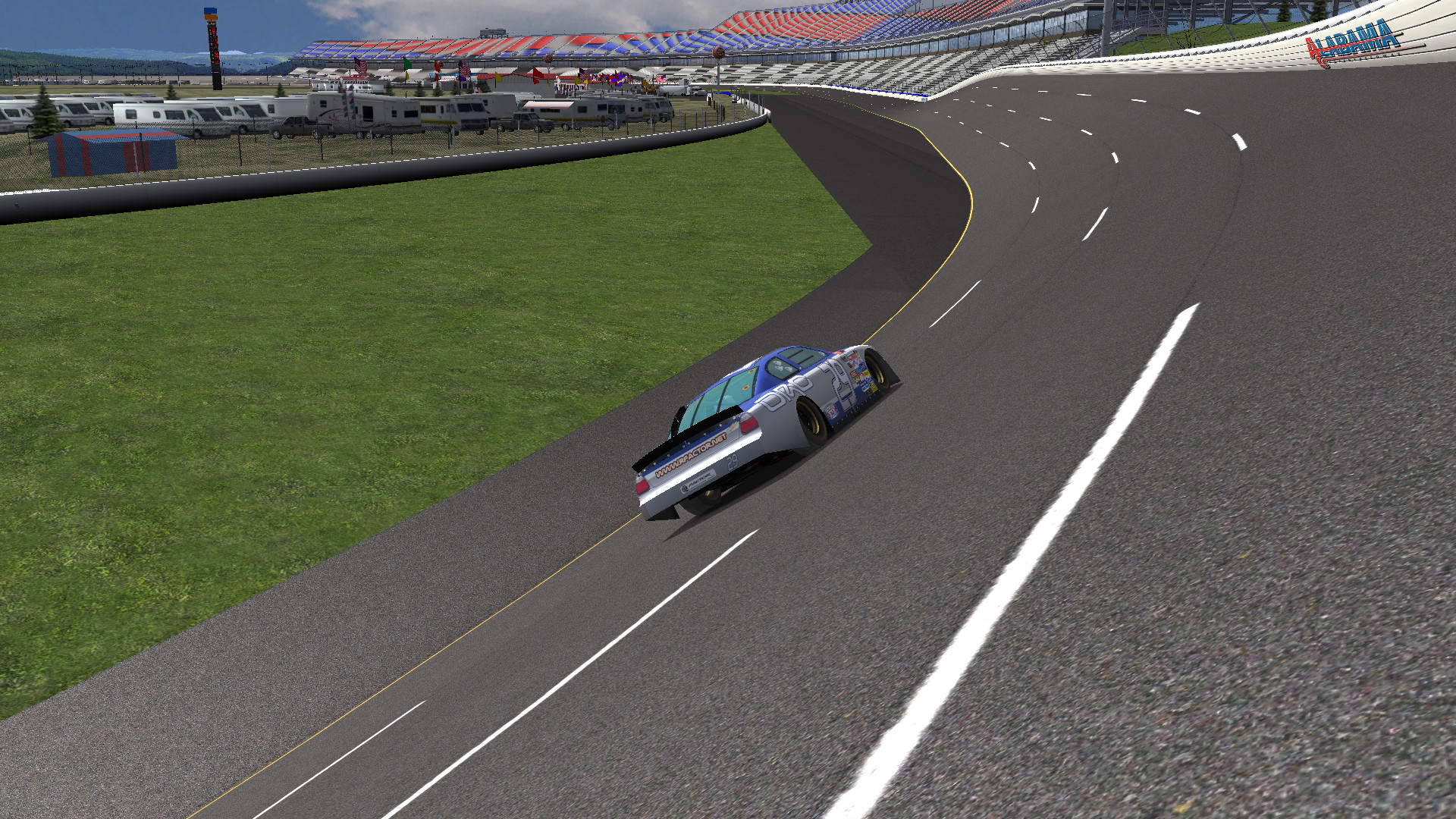
rFactor is a highly realistic racing simulation that challenges players' cognitive skills such as spatial awareness, strategic thinking, and critical thinking. It demands high levels of hand-eye coordination, fine motor control, and reaction time, making it an excellent platform for developing these motor skills. The game's deep physics engine and customization options provide a rich learning environment for understanding vehicle dynamics and race strategy.
Design risks
| R1 | Compulsion-loop pressure | 0.00 | |
| R2 | Monetization | 0.00 | |
| R3 | Social risk | 0.17 | |
While rFactor is largely free of manipulative design, its multiplayer mode introduces minimal social risks such as competitive toxicity and potential, albeit limited, interaction with strangers through chat. The game's realistic nature and focus on performance can lead to frustration for some players, but it lacks the compulsion-forming design patterns seen in many modern games.
Content (not in risk score)
| R4.1 | Violence Level | 0.00 | |
| R4.2 | Sexual Content | 0.00 | |
| R4.3 | Language | 0.00 | |
| R4.4 | Substance References | 0.00 | |
| R4.5 | Fear / Horror | 0.00 | |
Content risk is displayed separately and does not affect the time recommendation.
Regulatory design checks · DSA — Assessed: meets criteria·GDPR-K — Not yet assessed·ODDS — Assessed: meets criteria
- DSA:What Ludograph checks: whether the game's design gives minors the transparency the EU Digital Services Act expects: plain terms, honest defaults, and clear reporting routes.: Estimated from review data. No dark pattern or child-targeting concerns found.
- GDPR-K:What Ludograph checks: whether age assurance and consent flows are designed for under-16s, in the spirit of GDPR Article 8.
- ODDS:What Ludograph checks: whether paid random-reward drop rates are disclosed, as required in China, Japan and South Korea.: Estimated from review data. No paid random-reward mechanics found, so drop-rate disclosure requirements do not apply.
These reflect Ludograph's assessment of the game's design practices against each framework's criteria, not a legal compliance determination.