Review · Action · PC
Slime Saga
Reviewed: 06 Jun 2026
PC
Octogames · 2025
Ludograph rating
Growth (BDS)
58
Risk (RIS)
26
Daily limit
90min
Age guidance
7+
Developmental benefits
| B1 | Cognitive | 0.68 | |
| B2 | Social-emotional | 0.53 | |
| B3 | Motor | 0.40 | |
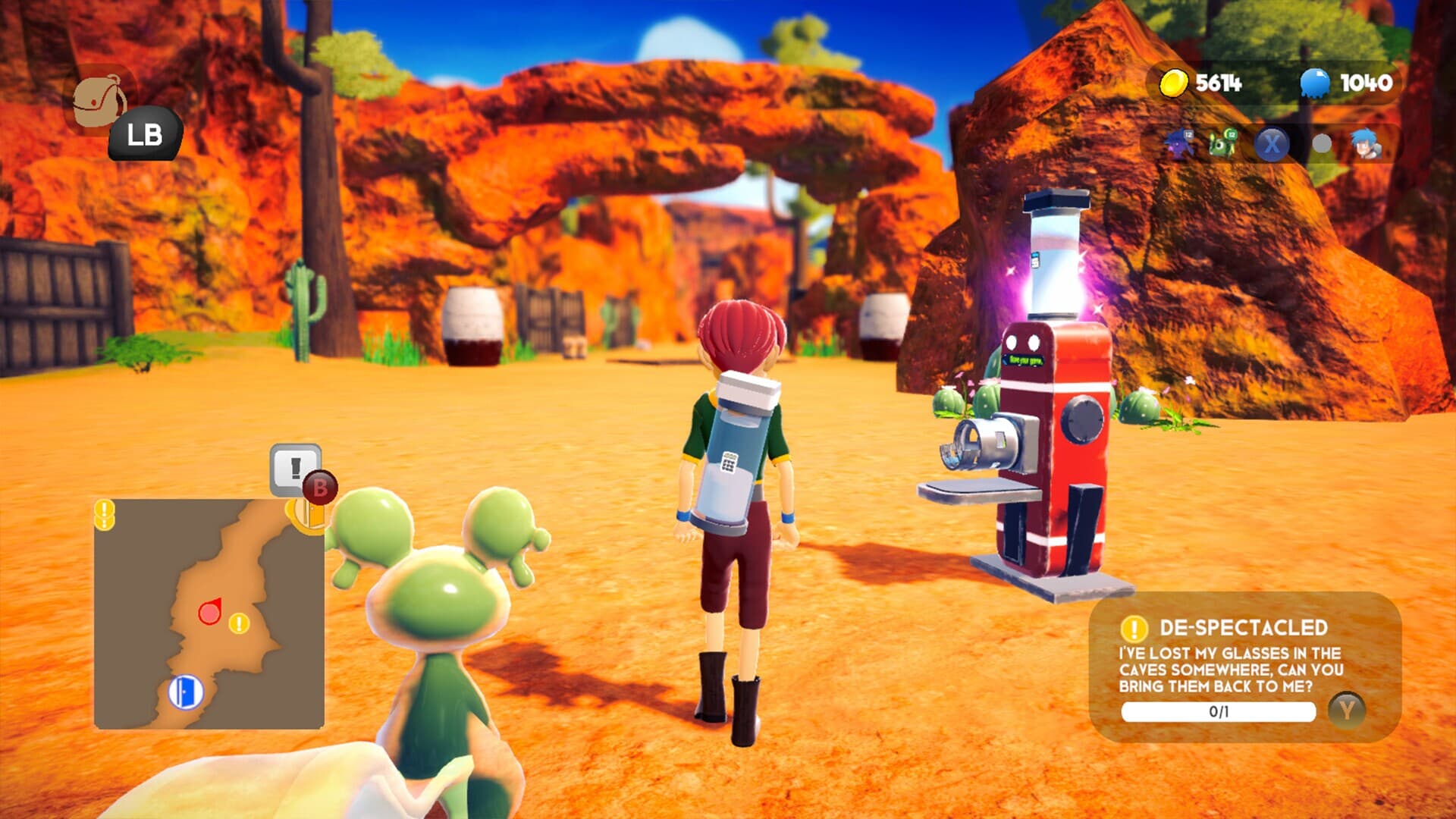
Slime Saga offers significant cognitive benefits through its complex monster creation and element-based combat system, fostering strategic thinking, problem-solving, and creativity. The branching dialogue system encourages critical thinking and reading comprehension. Socially, the game promotes teamwork and communication through its online co-op and city hub interactions, allowing players to befriend others and engage in positive social experiences. Motor skills are also engaged through real-time combat requiring hand-eye coordination and quick reactions.
Design risks
| R1 | Compulsion-loop pressure | 0.13 | |
| R2 | Monetization | 0.25 | |
| R3 | Social risk | 0.50 | |
The free-to-play model with microtransactions, combined with a child-friendly aesthetic, presents a moderate monetization risk, potentially encouraging spending on cosmetic items and possibly offering minor pay-to-win advantages. Online multiplayer features, including PvP battles and chat, introduce social risks such as competitive toxicity, social comparison, and interaction with strangers. While content risks are low, the game's design could foster a mild sense of variable rewards, which, while not overtly manipulative, contributes to engagement loops.
Content (not in risk score)
| R4.1 | Violence Level | 0.33 | |
| R4.2 | Sexual Content | 0.00 | |
| R4.3 | Language | 0.00 | |
| R4.4 | Substance References | 0.00 | |
| R4.5 | Fear / Horror | 0.00 | |
Content risk is displayed separately and does not affect the time recommendation.
Heads up
- Monthly spendTypical real-money spend by engaged players: $0 – $20/mo.
Regulatory design checks · DSA — Assessed: concerns noted·GDPR-K — Assessed: concerns noted·ODDS — Assessed: meets criteria
- DSA:What Ludograph checks: whether the game's design gives minors the transparency the EU Digital Services Act expects: plain terms, honest defaults, and clear reporting routes.: Estimated from review data. Likely violations: monetisation that deliberately targets children.
- GDPR-K:What Ludograph checks: whether age assurance and consent flows are designed for under-16s, in the spirit of GDPR Article 8.: Estimated from review data. Likely violations: unmoderated stranger contact that likely exposes personal data; profiling or targeting of children for marketing.
- ODDS:What Ludograph checks: whether paid random-reward drop rates are disclosed, as required in China, Japan and South Korea.: Estimated from review data. No paid random-reward mechanics found, so drop-rate disclosure requirements do not apply.
These reflect Ludograph's assessment of the game's design practices against each framework's criteria, not a legal compliance determination.