Review · Puzzle · PC
The Hotel (Liam Tingle)
Reviewed: 19 Apr 2026
PC
Liam Tingle · 2020
Ludograph rating
D
Caution
41 /100
The Hotel (Liam Tingle) is a puzzle game that helps develop problem solving, spatial awareness, and strategic thinking.
Growth (BDS)
26
Risk (RIS)
5
Daily limit
120min
Age guidance
–
Developmental benefits
| B1 | Cognitive | 0.46 | |
| B2 | Social-emotional | 0.03 | |
| B3 | Motor | 0.10 | |
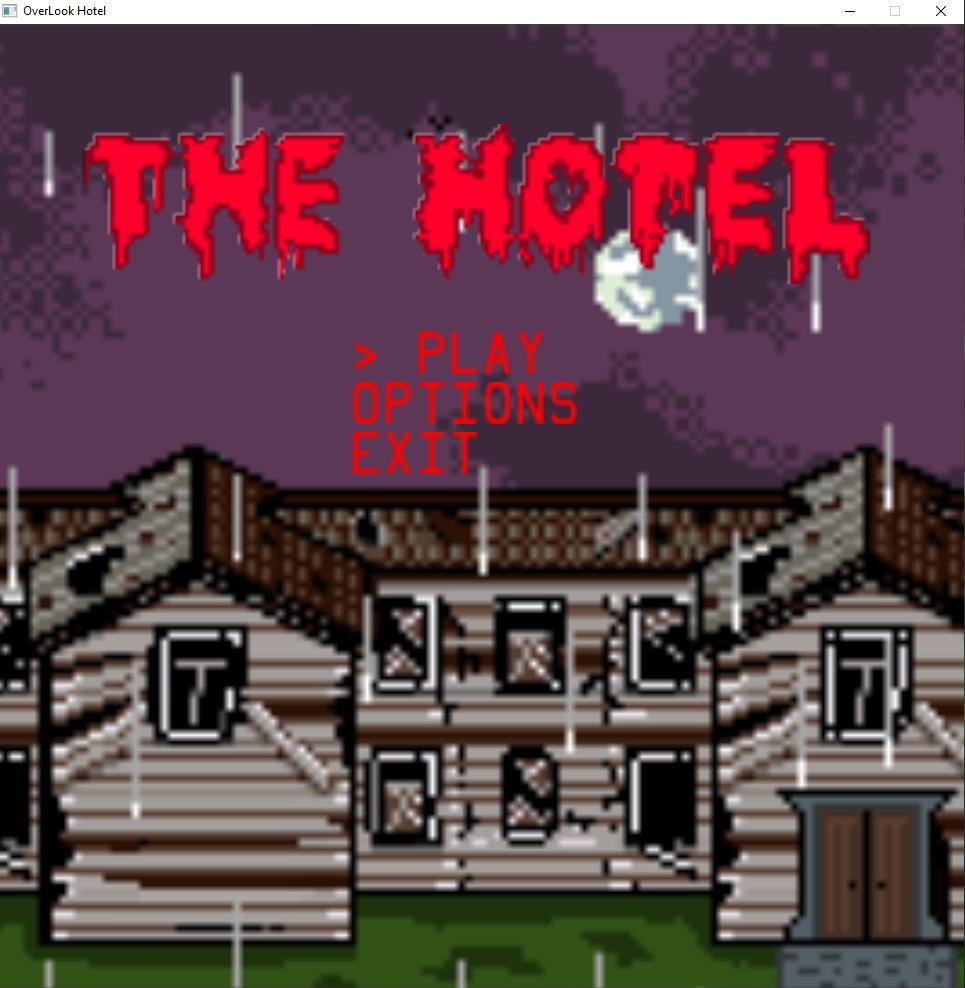
The Hotel is a compact C++ puzzle game created as a university low-level programming assignment. Despite its modest scope, it delivers a solid cognitive workout: players must engage in logical problem-solving and spatial reasoning to navigate hotel-themed puzzles, and the structured challenge encourages sequential critical thinking and working memory. Because puzzles must be understood before progress is possible, the game rewards careful reading and methodical planning rather than reflexes or spending. It is a clean, zero-monetization experience with no dark patterns.
Design risks
| R1 | Compulsion-loop pressure | 0.10 | |
| R2 | Monetization | 0.00 | |
| R3 | Social risk | 0.00 | |
Risks are extremely low across all categories. There is no monetization whatsoever, no social features, no stranger interaction, and no manipulative retention mechanics. The only minor dopamine-adjacent concern is mild escalating commitment as puzzles build in difficulty, and slight loss-aversion if progress is lost on failure — both typical and developmentally benign in puzzle game contexts. Content is entirely inoffensive.
Content (not in risk score)
| R4.1 | Violence Level | 0.00 | |
| R4.2 | Sexual Content | 0.00 | |
| R4.3 | Language | 0.00 | |
| R4.4 | Substance References | 0.00 | |
| R4.5 | Fear / Horror | 0.00 | |
Content risk is displayed separately and does not affect the time recommendation.
Regulatory design checks · DSA — Assessed: meets criteria·GDPR-K — Assessed: meets criteria·ODDS — Assessed: meets criteria
- DSA:What Ludograph checks: whether the game's design gives minors the transparency the EU Digital Services Act expects: plain terms, honest defaults, and clear reporting routes.: Estimated from review data. No dark pattern or child-targeting concerns found.
- GDPR-K:What Ludograph checks: whether age assurance and consent flows are designed for under-16s, in the spirit of GDPR Article 8.: Estimated from review data. No privacy or child-targeting concerns found.
- ODDS:What Ludograph checks: whether paid random-reward drop rates are disclosed, as required in China, Japan and South Korea.: Estimated from review data. No paid random-reward mechanics found, so drop-rate disclosure requirements do not apply.
These reflect Ludograph's assessment of the game's design practices against each framework's criteria, not a legal compliance determination.