Review · Action · PlayStation 2 · PSP · Wii
THE KING OF FIGHTERS Collection: The Orochi Saga
By the LumiKin editors
Reviewed: 29 May 2026
PlayStation 2 · PSP · Wii · PlayStation 4
SNK · 2008
LumiScore
67/100
Good
Growth (BDS)
54
Risk (RIS)
10
Daily limit
120min
Age guidance
—
Developmental benefits
| B1 | Cognitive | 0.72 | |
| B2 | Social-emotional | 0.10 | |
| B3 | Motor | 0.75 | |
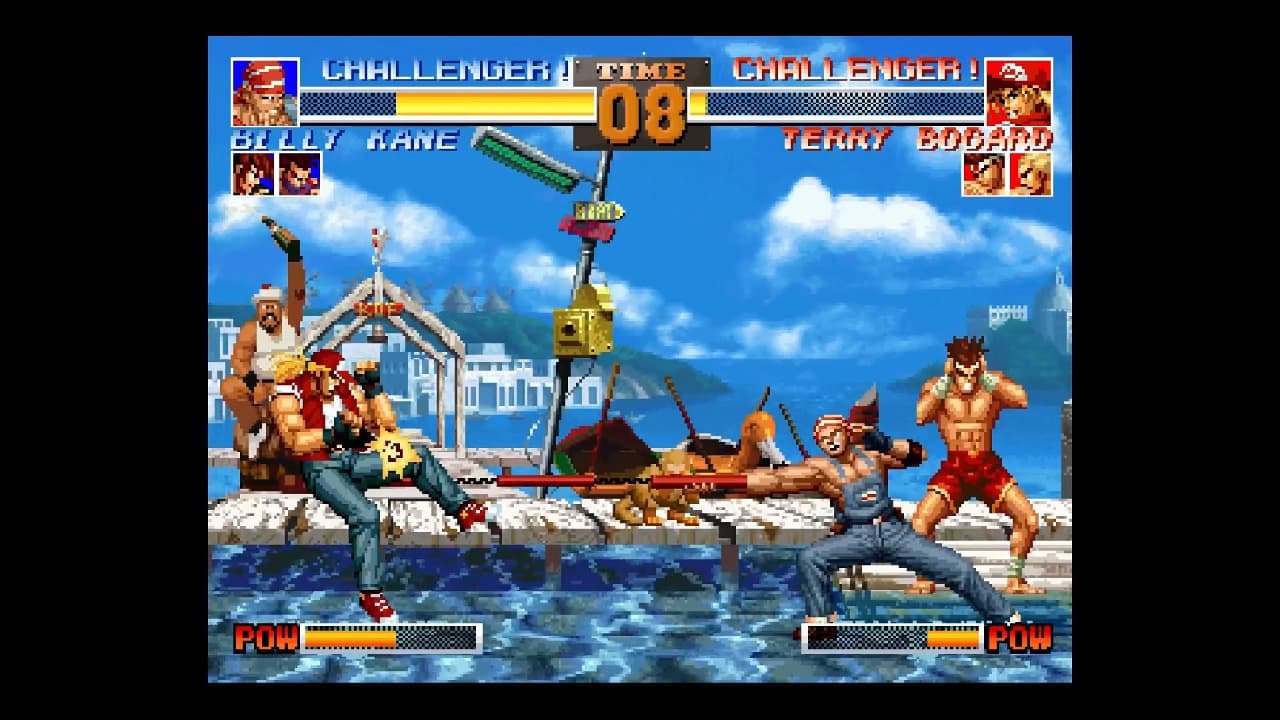
THE KING OF FIGHTERS Collection: The Orochi Saga offers a robust package of classic fighting games that excel in developing cognitive skills such as strategic thinking, critical decision-making, spatial awareness, and memory. Players will hone their hand-eye coordination, fine motor skills, and reaction time through intense, fast-paced combat. The diverse roster of characters also promotes positive representation.
Design risks
| R1 | Dopamine pressure | 0.13 | |
| R2 | Monetization | 0.00 | |
| R3 | Social risk | 0.17 | |
While primarily a skill-based fighting game, the competitive nature of THE KING OF FIGHTERS can sometimes lead to social comparison. Although the collection lacks modern manipulative design mechanics, the inherent variable rewards of winning and losing can still be engaging. The content includes moderate violence typical of the fighting genre.
Heads up
- Monthly spendTypical real-money spend by engaged players: $0–0/mo.