Review · Racing · PC · macOS
Waky Driver
Reviewed: 05 May 2026
PC · macOS
Amil · 2018
Ludograph rating
D
Caution
42 /100
Waky Driver is a racing game that enhances problem solving, spatial awareness, and memory through straightforward gameplay.
Growth (BDS)
27
Risk (RIS)
3
Daily limit
120min
Age guidance
–
Developmental benefits
| B1 | Cognitive | 0.36 | |
| B2 | Social-emotional | 0.00 | |
| B3 | Motor | 0.45 | |
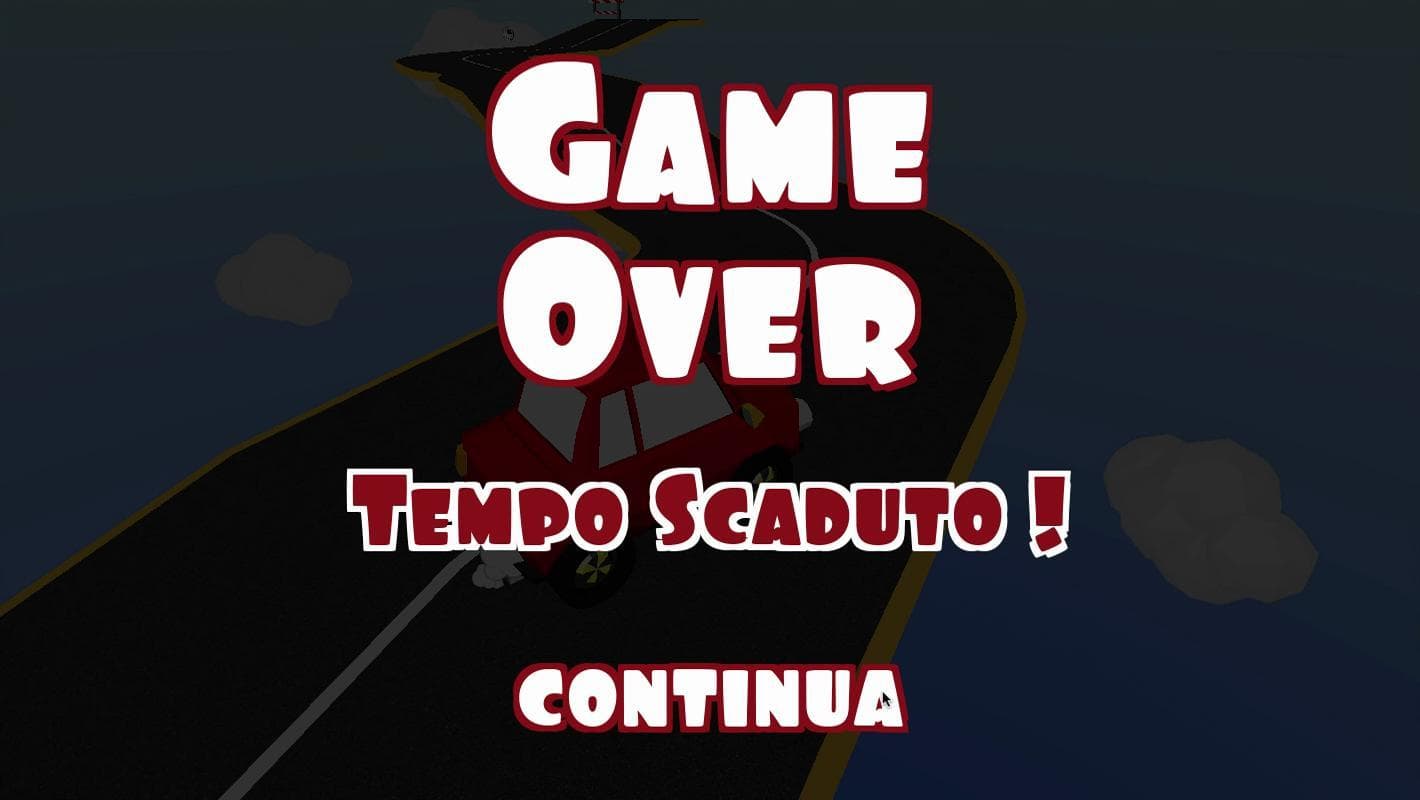
Waky Driver offers a straightforward racing experience that primarily enhances hand-eye coordination, fine motor skills, and reaction time through its simple, tap-based controls. Players also engage in problem-solving and adaptive challenge by figuring out how to balance speed and control to avoid skidding and achieve better times on different tracks. The game's clear objective of winning medals and unlocking tracks provides a sense of accomplishment and encourages persistent engagement.
Design risks
| R1 | Compulsion-loop pressure | 0.07 | |
| R2 | Monetization | 0.00 | |
| R3 | Social risk | 0.00 | |
The primary risks associated with Waky Driver are minimal due to its simple design and lack of complex social or monetization mechanics. The game has very limited cognitive demands beyond basic motor skills and quick decision-making, with no elements that promote social interaction, emotional regulation, or critical thinking. The absence of monetization, social features, or mature content significantly reduces risks related to compulsion-loop design, financial exploitation, or exposure to inappropriate material. The game could potentially be mildly frustrating for players who struggle with precise timing and control.
Content (not in risk score)
| R4.1 | Violence Level | 0.00 | |
| R4.2 | Sexual Content | 0.00 | |
| R4.3 | Language | 0.00 | |
| R4.4 | Substance References | 0.00 | |
| R4.5 | Fear / Horror | 0.00 | |
Content risk is displayed separately and does not affect the time recommendation.
Regulatory design checks · DSA — Assessed: meets criteria·GDPR-K — Assessed: meets criteria·ODDS — Assessed: meets criteria
- DSA:What Ludograph checks: whether the game's design gives minors the transparency the EU Digital Services Act expects: plain terms, honest defaults, and clear reporting routes.: Estimated from review data. No dark pattern or child-targeting concerns found.
- GDPR-K:What Ludograph checks: whether age assurance and consent flows are designed for under-16s, in the spirit of GDPR Article 8.: Estimated from review data. No privacy or child-targeting concerns found.
- ODDS:What Ludograph checks: whether paid random-reward drop rates are disclosed, as required in China, Japan and South Korea.: Estimated from review data. No paid random-reward mechanics found, so drop-rate disclosure requirements do not apply.
These reflect Ludograph's assessment of the game's design practices against each framework's criteria, not a legal compliance determination.