Rezension · Simulation · PC
Conway's Game of Life (Mikulus)
Geprüft: 11. Mai 2026
PC
Mikulus · 2023
Ludograph-Bewertung
Entwicklung (BDS)
44
Risiko (RIS)
0
Tägliches Limit
120Min
Altersfreigabe
–
Entwicklungsvorteile
| B1 | Kognitiv | 0.84 | |
| B2 | Sozial-emotional | 0.00 | |
| B3 | Motorik | 0.10 | |
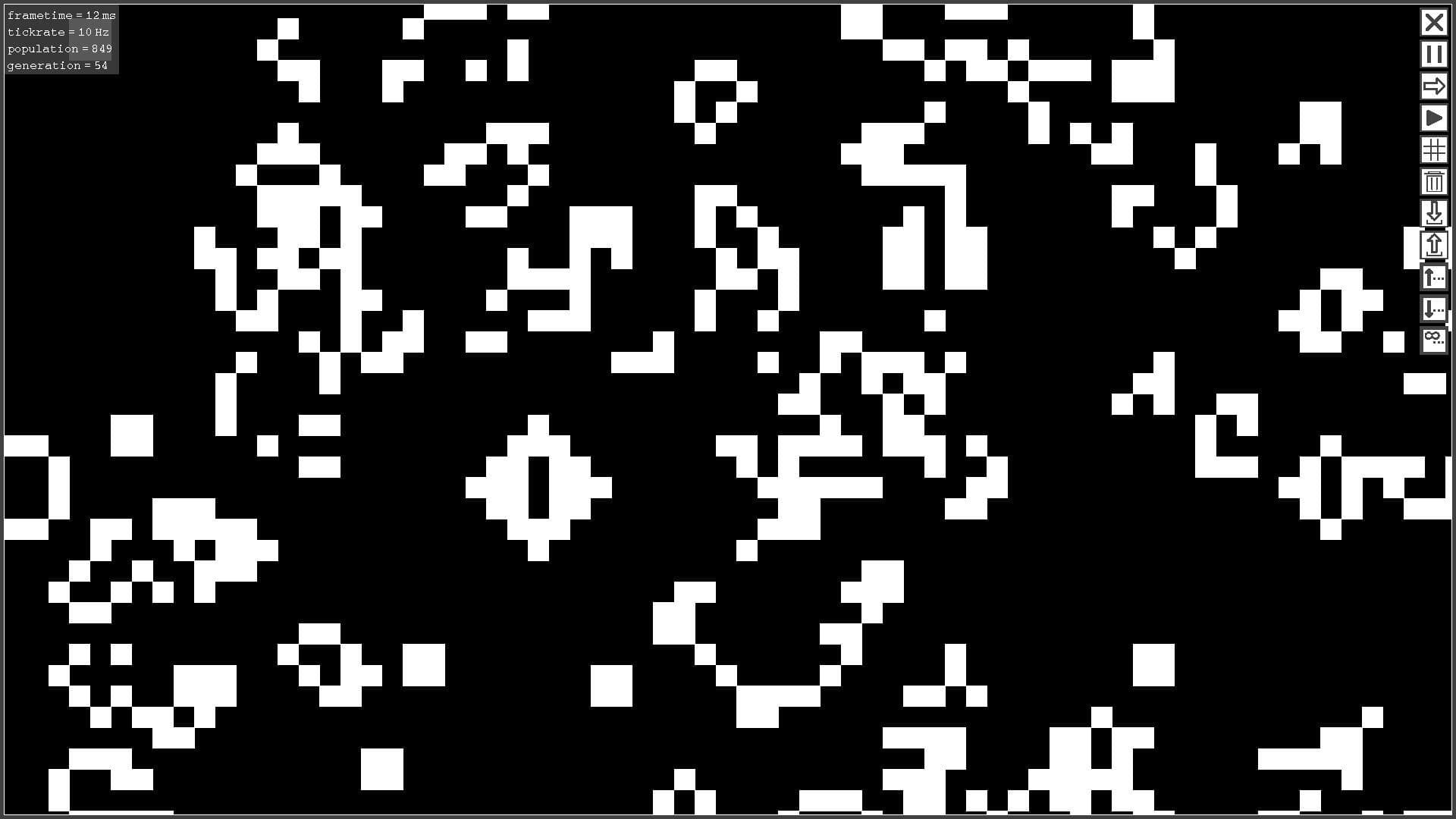
Conway's Game of Life ist ein hervorragendes Bildungsinstrument, das kritisches Denken, Problemlösung und räumliches Vorstellungsvermögen durch die Erforschung zellulärer Automaten fördert. Es ermutigt zur Kreativität bei der Gestaltung von Ausgangsbedingungen und bietet eine klare Demonstration komplexer Systeme, die aus einfachen Regeln entstehen, was es für das Verständnis mathematischer und computergestützter Konzepte äußerst vorteilhaft macht.
Designrisiken
| R1 | Belohnungsschleifen-Druck | 0.00 | |
| R2 | Monetarisierung | 0.00 | |
| R3 | Soziales Risiko | 0.00 | |
Dieses Spiel birgt praktisch keine Risiken. Es fehlen manipulative Designs, Monetarisierungsdruck, soziale Risiken oder anstößige Inhalte. Seine abstrakte Natur und der Fokus auf mathematische Simulation gewährleisten ein sicheres und unkompliziertes Erlebnis.
Inhalt (nicht im Risiko-Score enthalten)
| R4.1 | Gewaltgrad | 0.00 | |
| R4.2 | Sexuelle Inhalte | 0.00 | |
| R4.3 | Sprache | 0.00 | |
| R4.4 | Substanzbezug | 0.00 | |
| R4.5 | Angst / Horror | 0.00 | |
Inhaltsrisiko wird separat angezeigt und beeinflusst die Zeitempfehlung nicht.
Prüfung der Design-Konformität · DSA — Bewertet: erfüllt die Kriterien·GDPR-K — Bewertet: erfüllt die Kriterien·ODDS — Bewertet: erfüllt die Kriterien
- DSA:Was Ludograph prüft: ob das Design des Spiels Minderjährigen die Transparenz bietet, die das Gesetz über digitale Dienste der EU erwartet: klare Bedingungen, ehrliche Voreinstellungen und sichtbare Meldewege.: Estimated from review data. No dark pattern or child-targeting concerns found.
- GDPR-K:Was Ludograph prüft: ob Altersprüfung und Einwilligungsabläufe für unter 16-Jährige gestaltet sind, im Sinne von DSGVO Artikel 8.: Estimated from review data. No privacy or child-targeting concerns found.
- ODDS:Was Ludograph prüft: ob die Wahrscheinlichkeiten für kostenpflichtige Zufallsbelohnungen offengelegt werden, wie in China, Japan und Südkorea vorgeschrieben.: Estimated from review data. No paid random-reward mechanics found, so drop-rate disclosure requirements do not apply.
Spiegeln Ludographs Einschätzung der Design-Praktiken des Spiels anhand der Kriterien des jeweiligen Rahmens wider – keine rechtliche Feststellung der Konformität.