Review · RPG · PlayStation 4 · Xbox One · iOS
Sheltered
Reviewed: 01 May 2026
PlayStation 4 · Xbox One · iOS · PC · macOS · Linux · Nintendo Switch · Android
Team17 Digital · 2015
Ludograph rating
B
Good
62 /100
Sheltered is a deep strategy RPG that challenges critical thinking and adaptive problem-solving through resource management, but has significant emotional risks.
Growth (BDS)
49
Risk (RIS)
15
Daily limit
120min
Age guidance
13+
Developmental benefits
| B1 | Cognitive | 0.68 | |
| B2 | Social-emotional | 0.40 | |
| B3 | Motor | 0.15 | |
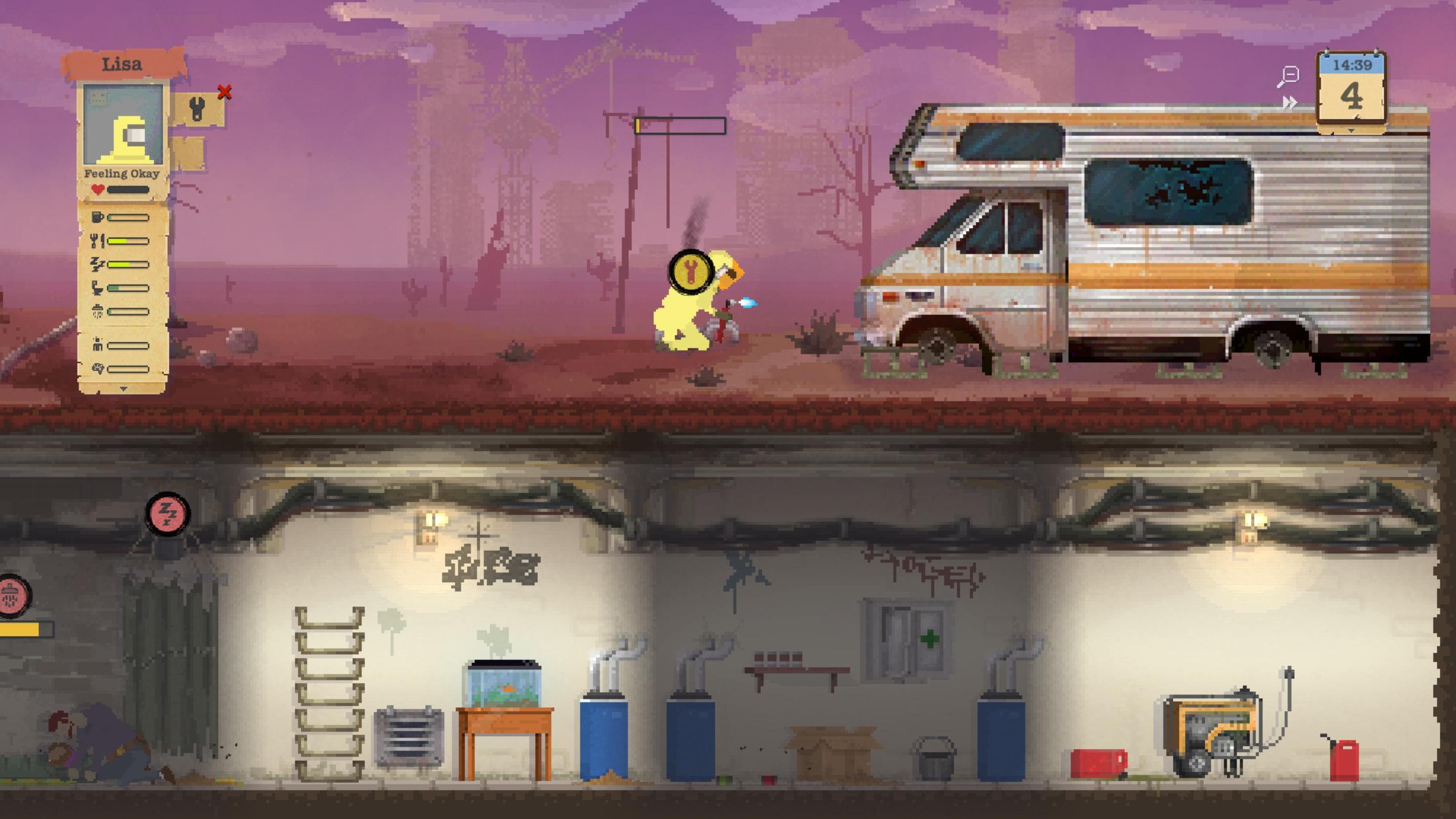
Sheltered is a deep strategy game that challenges players with complex decision-making, resource management, and adaptive problem-solving in a harsh post-apocalyptic environment. Players must critically think about resource allocation, prioritize tasks, and strategically plan expeditions to ensure their family's survival. The evolving RPG mechanics encourage learning and adaptation as players face new challenges and their family members develop new traits. It fosters empathy through the core theme of protecting one's family and making difficult moral choices.
Design risks
| R1 | Compulsion-loop pressure | 0.23 | |
| R2 | Monetization | 0.00 | |
| R3 | Social risk | 0.17 | |
The game presents significant emotional risks due to its bleak setting and the constant threat of death and resource scarcity. The narrative emphasizes hardship, hunger, thirst, and fear, which could be distressing for some players. The 'loss aversion' and 'near miss' elements, coupled with the open-ended survival goal, could lead to prolonged engagement without natural stopping points, potentially penalizing breaks and creating a sense of continuous obligation to the game. While monetization is not present, the psychological pressure of keeping the family alive could be intense.
Content (not in risk score)
| R4.1 | Violence Level | 0.67 | |
| R4.2 | Sexual Content | 0.00 | |
| R4.3 | Language | 0.33 | |
| R4.4 | Substance References | 0.00 | |
| R4.5 | Fear / Horror | 0.67 | |
Content risk is displayed separately and does not affect the time recommendation.
Regulatory design checks · DSA — Assessed: meets criteria·GDPR-K — Not yet assessed·ODDS — Assessed: meets criteria
- DSA:What Ludograph checks: whether the game's design gives minors the transparency the EU Digital Services Act expects: plain terms, honest defaults, and clear reporting routes.: Estimated from review data. No dark pattern or child-targeting concerns found.
- GDPR-K:What Ludograph checks: whether age assurance and consent flows are designed for under-16s, in the spirit of GDPR Article 8.
- ODDS:What Ludograph checks: whether paid random-reward drop rates are disclosed, as required in China, Japan and South Korea.: Estimated from review data. No paid random-reward mechanics found, so drop-rate disclosure requirements do not apply.
These reflect Ludograph's assessment of the game's design practices against each framework's criteria, not a legal compliance determination.