Review · Platformer · PC
Yuurei Project
Reviewed: 18 Apr 2026
PC
yoppe · 2020
Ludograph rating
A
Recommended
68 /100
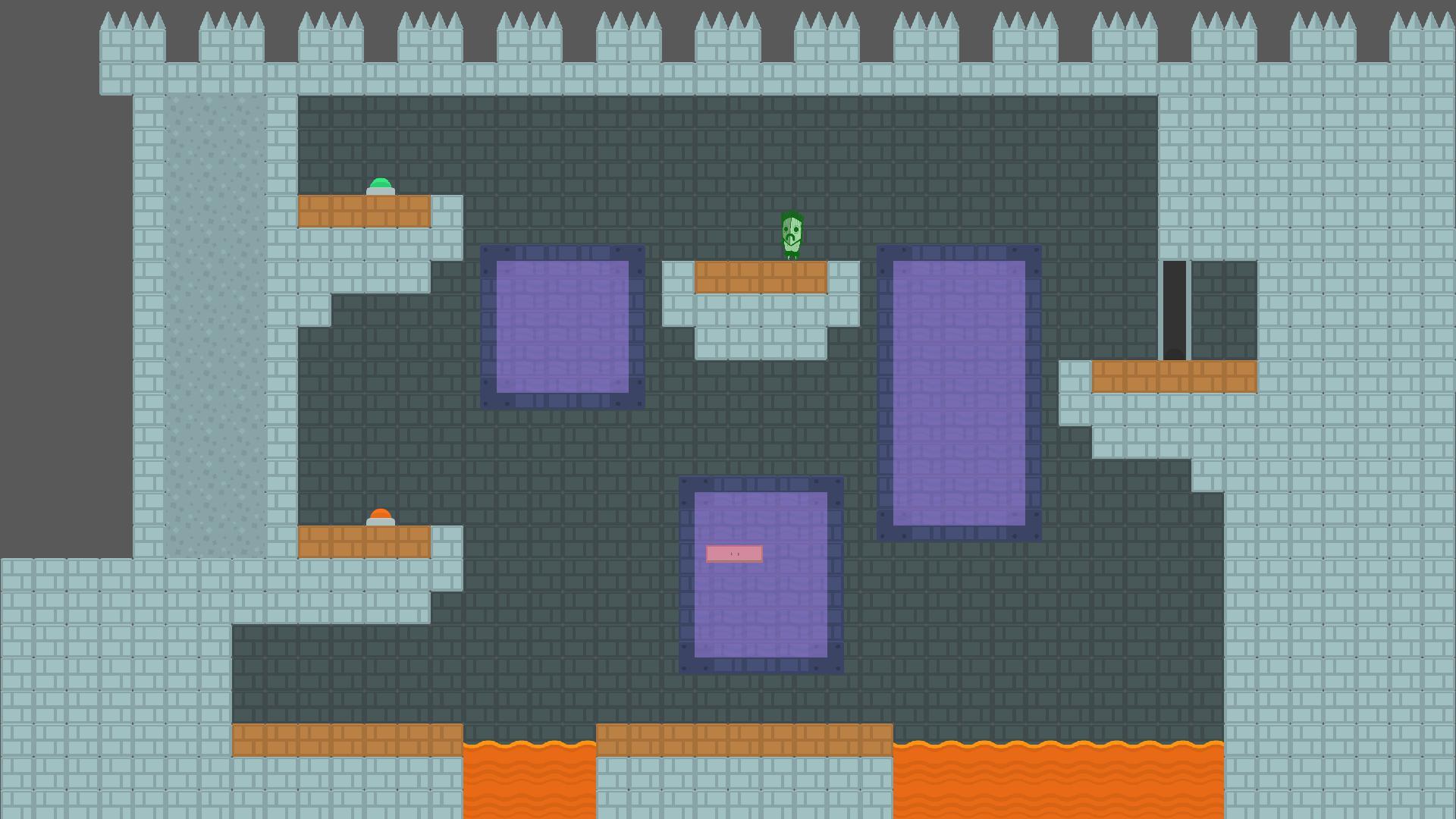
Yuurei Project is a cooperative platformer that builds teamwork and problem solving by requiring players to sacrifice mobility to assist a partner.
Growth (BDS)
54
Risk (RIS)
7
Daily limit
120min
Age guidance
7+
Developmental benefits
| B1 | Cognitive | 0.46 | |
| B2 | Social-emotional | 0.70 | |
| B3 | Motor | 0.50 | |
Yuurei Project is a genuinely cooperative local co-op platformer built around a clever asymmetric mechanic: players can sacrifice their own mobility to become a living platform for their partner. This design demands constant real-time communication, mutual coordination, and spatial problem-solving, making it an excellent exercise in teamwork and critical thinking. Because neither player can succeed alone, the game fosters healthy interdependence and empathy — children must pay attention to a partner's position and needs at all times. The platforming itself develops hand-eye coordination, reaction time, and fine motor precision, while the level-by-level progression encourages learning transfer as players apply strategies discovered in earlier stages to new challenges.
Design risks
| R1 | Compulsion-loop pressure | 0.13 | |
| R2 | Monetization | 0.00 | |
| R3 | Social risk | 0.06 | |
As a student-made prototype, Yuurei Project carries virtually no monetization risk, no manipulative dopamine hooks, and no stranger-interaction risk. The game's time limit creates mild pressure that could briefly frustrate younger or less experienced players, and the co-op structure means one player's performance directly affects the other, which could occasionally spark interpersonal friction between siblings or friends. The castle setting introduces a very mild spooky atmosphere, but nothing approaching distressing content. Overall, the risk profile is exceptionally low.
Content (not in risk score)
| R4.1 | Violence Level | 0.00 | |
| R4.2 | Sexual Content | 0.00 | |
| R4.3 | Language | 0.00 | |
| R4.4 | Substance References | 0.00 | |
| R4.5 | Fear / Horror | 0.33 | |
Content risk is displayed separately and does not affect the time recommendation.
Regulatory design checks · DSA — Assessed: meets criteria·GDPR-K — Assessed: meets criteria·ODDS — Assessed: meets criteria
- DSA:What Ludograph checks: whether the game's design gives minors the transparency the EU Digital Services Act expects: plain terms, honest defaults, and clear reporting routes.: Estimated from review data. No dark pattern or child-targeting concerns found.
- GDPR-K:What Ludograph checks: whether age assurance and consent flows are designed for under-16s, in the spirit of GDPR Article 8.: Estimated from review data. No privacy or child-targeting concerns found.
- ODDS:What Ludograph checks: whether paid random-reward drop rates are disclosed, as required in China, Japan and South Korea.: Estimated from review data. No paid random-reward mechanics found, so drop-rate disclosure requirements do not apply.
These reflect Ludograph's assessment of the game's design practices against each framework's criteria, not a legal compliance determination.